

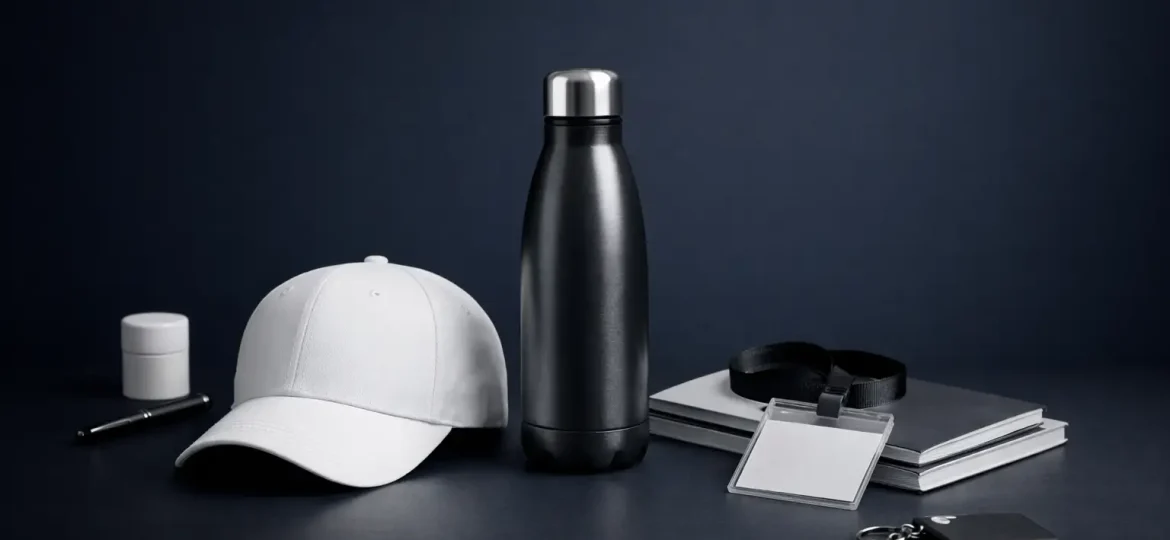
A visitor has a few seconds to decide whether your booth is worth their attention. The merchandise they take away can either extend that moment into a useful brand reminder or become another forgotten item in a tote bag. Knowing how to choose exhibition merchandise starts with treating it as part of the visitor experience, not simply an item to distribute.
The strongest exhibition merchandise has a clear job to do. It may encourage conversations at the booth, help your team qualify leads, support a product launch, or leave a professional impression after the event. When the choice is guided by those outcomes, the result is more relevant, more consistent with your brand, and easier for visitors to remember.
Start With the Purpose of Your Exhibition Merchandise
Before reviewing product options, define what success looks like for the event. A recruitment fair calls for a different approach than a trade exhibition for industry buyers. Likewise, a customer appreciation event may benefit from a more considered keepsake, while a high-traffic public roadshow may require practical items that can be distributed efficiently.
Ask what you want a visitor to do after receiving the item. If the goal is to start a conversation, merchandise can be connected to an activity, demonstration, or registration point. If the aim is brand recall, select something likely to be used repeatedly in a workday or while traveling. If the event supports a campaign, the item should reinforce the campaign message rather than carry a logo with no context.
This distinction prevents a common issue: choosing merchandise because it is popular, rather than because it supports the occasion. A useful product is not always the right product. Relevance to the audience and the event objective should lead the decision.
Understand Who Will Receive It
Exhibition audiences are rarely one uniform group. A booth may attract existing clients, prospective buyers, partners, students, job seekers, or members of the public. Each group has different expectations, and their reason for attending affects what they will value.
For a business audience, professional and functional items often make more sense when they fit naturally into everyday routines. For a family-oriented public event, ease of use, broad appeal, and safe handling may matter more. At an education-focused exhibition, merchandise that supports learning, organization, or campus life can feel more relevant than a generic giveaway.
Consider the setting as well. Will visitors be walking through a large exhibition hall for several hours? If so, bulky or awkward items may be less welcome. Will many attendees be traveling or commuting afterward? Portable products with a clear purpose are often easier to carry and more likely to be kept.
A practical question helps narrow the field: would the recipient choose to use this item if it did not carry a logo? If the answer is yes, your branding has a better chance of being seen again after the exhibition ends.
Match the Item to Your Brand Positioning
Merchandise communicates standards before anyone reads the logo. The material, finish, color treatment, packaging, and print quality all shape how visitors perceive your organization. A company known for careful service and professional delivery should avoid items that feel poorly finished or disconnected from its identity.
This does not mean every item needs to be elaborate. In many cases, a simple product with considered branding is more effective than an attention-grabbing item with cluttered artwork. The product should give your brand enough space to appear clearly, while the design should respect the item’s shape and intended use.
Brand consistency is especially important when several teams contribute to an exhibition. Marketing may set the campaign direction, procurement may manage requirements, and event staff may handle distribution on site. A defined color palette, approved logo files, typography guidance, and message hierarchy help keep the final merchandise aligned with your booth graphics, printed materials, and digital follow-up.
Customization also needs to be purposeful. Adding a name, campaign line, or event-specific message can make an item more relevant, but too much information can reduce clarity. Prioritize the brand elements that a visitor needs to recognize quickly.
How to Choose Exhibition Merchandise for Real Use
The best choices are designed around the moment of use. A reusable drinkware item may be relevant at a long conference, while a compact desk accessory may suit an audience that returns to an office after the event. The product should solve a small, familiar need without requiring explanation.
Think through the complete experience. Is the item comfortable to carry? Is it durable enough for repeated use? Does it work as intended after branding is applied? Can staff distribute it quickly during busy periods? These operational questions can matter as much as the initial concept.
It is also worth considering whether every visitor should receive the same item. A layered approach can be more appropriate for some exhibitions. A practical, widely distributed item can support general foot traffic, while a more considered piece may be reserved for qualified leads, scheduled meetings, speakers, or valued guests. The approach depends on your engagement plan, not on the product alone.
Avoid selecting merchandise solely because it follows a short-lived trend. Trends can help when they naturally fit your audience, but usefulness and brand relevance usually create longer-lasting value. An item that remains on a desk, in a bag, or in a daily routine gives your organization more opportunities to stay visible.
Plan Production and Delivery Early
Exhibition merchandise is often one of the last items teams approve, even though it depends on several earlier decisions. Artwork needs to be finalized, branding methods need to suit the product material, samples may require review, and quantities must account for expected attendance and distribution plans. Leaving these steps too late can limit customization options and create unnecessary pressure for event teams.
Start with the event date, then work backward through approval, production, packing, and delivery requirements. Allow time to check brand colors, logo placement, spelling, product function, and packaging. If your organization has internal approval processes, involve the relevant stakeholders early rather than waiting until the artwork is ready.
Packaging deserves attention too. A well-presented item can feel more intentional, especially for client meetings or VIP engagements. At the same time, packaging should be appropriate for the exhibition environment. Excessive layers may slow distribution and create avoidable waste, while insufficient protection can affect product condition during transport.
Reliable fulfillment matters once the merchandise is approved. Confirm how items will be packed, labeled, delivered, and stored at the venue. If several exhibition components are being produced, coordinating merchandise alongside booth materials, print collateral, and event support can reduce handoffs and help maintain a consistent presentation.
Build Measurement Into the Distribution Plan
Merchandise should not disappear from the plan once it reaches the booth. Decide how the team will distribute it and what behavior it should encourage. For example, an item may be given after a product demonstration, upon completion of a short survey, or as part of a meeting follow-up. This creates a clearer connection between the giveaway and the engagement you want to generate.
Brief booth staff on the purpose of each item. They should know which visitors are best suited for it, when to offer it, and how to introduce it naturally. A simple line connected to the product or campaign is more effective than placing everything in a bowl and hoping it attracts attention.
After the event, review what worked. Consider how quickly items were distributed, which visitor interactions led to the strongest engagement, whether the merchandise suited the audience, and whether staff found the process manageable. These observations will improve future exhibition planning more than choosing a new product at random.
For organizations managing multiple branding touchpoints, working with one experienced partner can help bring strategy, creative direction, production, and delivery into a coordinated process. Diverse Solutions Singapore supports this kind of end-to-end execution, helping teams turn an exhibition concept into a cohesive brand experience.
The right exhibition merchandise is rarely the loudest item in the hall. It is the one that feels useful to the recipient, credible to your brand, and purposeful to the team representing it.
