

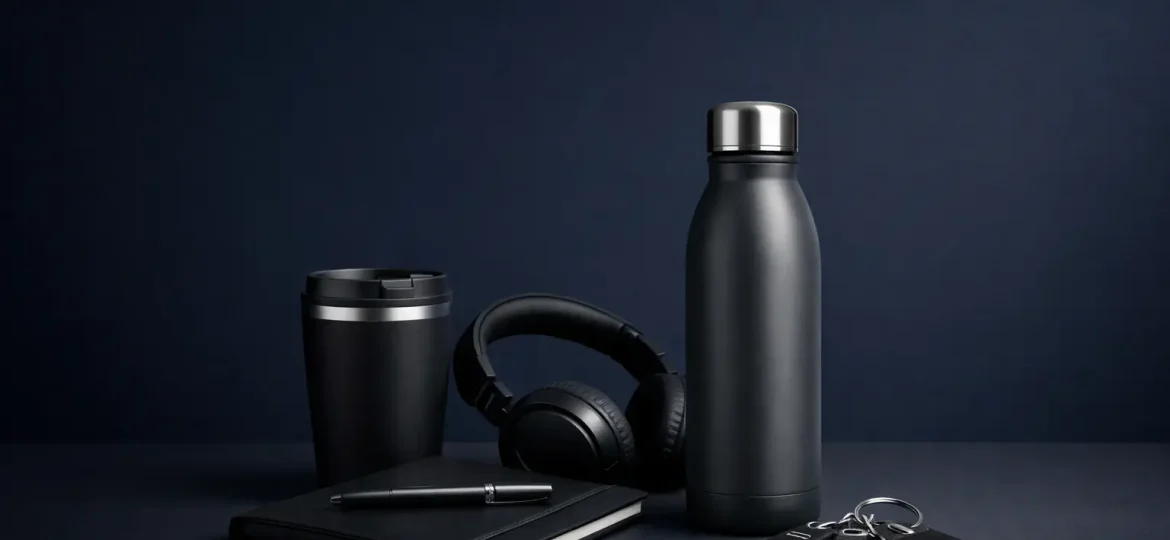
A carton of branded items arriving two days before an event can look like a completed task. It is not. The real test comes later: whether attendees use the item, whether employees feel recognized, and whether the product reflects the organization with the same care as its website, campaign, or presentation deck. Effective promotional products Singapore organizations choose are not simply logo carriers. They are practical brand touchpoints with a job to do.
For marketing, HR, procurement, and event teams, the challenge is rarely a lack of product options. It is deciding which option supports a specific audience, occasion, and business objective while keeping the brand consistent and the delivery process manageable.
Why Promotional Products Still Matter
A well-chosen promotional product extends a brand experience beyond the moment of contact. A useful notebook may sit on a client’s desk for months. A quality drinkware item can become part of an employee’s daily routine. Event kits can make participants feel prepared before a program begins.
That continuing visibility matters, but usefulness matters more. A product that is relevant to the recipient earns repeated exposure without asking for it. By contrast, an item selected only because it can hold a large logo may be discarded quickly, taking the intended brand impression with it.
Promotional merchandise also helps organizations make intangible messages more tangible. A campaign about sustainability, employee wellbeing, innovation, or community can feel more credible when the physical item supports that message. The product does not need to explain the entire campaign. It should reinforce its central idea through its material, function, design, or presentation.
Start With the Moment, Not the Merchandise
The most effective selection process starts with a practical question: what should this product help the recipient do, feel, or remember?
For a trade event, the priority may be attracting attention and giving visitors a reason to continue the conversation after they leave the booth. For a staff onboarding program, the goal may be belonging and preparedness. For a client appreciation initiative, the item should feel considered, professional, and aligned with the relationship. These are different moments, so they should not automatically receive the same product.
A useful internal brief defines the audience, distribution setting, desired action, brand message, quantity, deadline, and any handling requirements. This prevents a common issue: selecting merchandise before confirming how it will be distributed. An item that works well as a welcome gift may be impractical for a conference registration desk or difficult for recipients traveling home.
Consider the recipient’s daily context
The best product is usually connected to real routines. Office-based teams may value desk accessories, work bags, drinkware, or stationery. Event attendees may prefer compact, easy-to-carry items. Students, volunteers, and community participants may respond well to products that support the activity itself.
This does not mean every item must be strictly functional. A distinctive creative piece can be effective when the purpose is celebration, recognition, or memorability. The trade-off is that novelty needs thoughtful execution. If the concept is too complicated, fragile, or disconnected from the brand, it can create more confusion than recall.
Choose Quality That Matches the Brand Promise
Promotional products become a proxy for how people perceive an organization. If a pen stops working immediately, a printed design fades, or packaging arrives poorly assembled, recipients may not separate that experience from the brand behind it.
Quality should be evaluated in proportion to the relationship and use case. A large-scale awareness event may require a simple, durable item with clear branding. A leadership event or long-standing client relationship may call for more refined materials, presentation, and personalization. Neither approach is automatically better. The right choice depends on what the organization is trying to communicate.
It is also worth considering the product’s full lifecycle. How often will it be used? Can it withstand normal handling? Is it easy to store, transport, and distribute? Does the print method suit the surface and artwork? These practical details are where promotional projects often succeed or fail.
For organizations with sustainability commitments, material selection and product longevity deserve particular attention. A reusable product is only meaningful if recipients genuinely want to use it. Choosing fewer, more relevant items can sometimes create a stronger outcome than distributing large volumes of forgettable merchandise.
Make Brand Application Deliberate
A logo is necessary, but branding should not stop there. Color, typography, messaging, finish, placement, and packaging all influence whether a product feels like part of the same organization.
Some products benefit from a subtle logo placement, especially when recipients are likely to use them in professional settings. Others, such as campaign giveaways or event identifiers, can accommodate bolder artwork and clear calls to action. The objective should guide the design rather than a fixed rule about logo size.
Artwork also needs to account for the physical limitations of the item. Fine type may not reproduce cleanly on textured surfaces. Detailed designs can lose clarity on small print areas. Certain colors may appear differently depending on the material or production method. A practical review before production protects both visual quality and brand consistency.
This is where working with a branding partner rather than coordinating separate design and product suppliers can reduce unnecessary rework. The same team can assess the creative concept, recommend suitable applications, manage production details, and ensure the final item fits the wider campaign or event environment.
Plan Early for Production and Distribution
Tight deadlines are common, particularly for launches, conferences, employee programs, and year-end initiatives. Yet urgency should not remove the need for planning. Late changes to quantities, artwork, addresses, or packaging can affect production schedules and create avoidable coordination issues.
Build enough time for artwork development, product sampling where appropriate, approvals, production, quality checks, packing, and delivery. If merchandise is part of an event, align it with the event run sheet: who receives it, where it will be stored, who will distribute it, and whether it needs to be packed with other materials.
For multi-location teams or campaigns with several recipient groups, fulfillment becomes part of the brand experience. Correct labeling, organized kits, reliable delivery coordination, and clear handover instructions matter just as much as the product itself. A beautifully produced gift that reaches the wrong location or arrives without key campaign materials loses much of its impact.
Build a More Cohesive Promotional Program
One-off items have their place, but organizations often gain more value when merchandise is planned as part of a broader brand system. The same visual direction can carry across event backdrops, printed collateral, staff apparel, welcome kits, corporate gifts, and digital campaign materials. This creates familiarity without making every item identical.
A cohesive program is particularly useful for organizations managing recurring events, employee engagement activities, educational programs, or client communications. Rather than restarting the sourcing and design process each time, teams can establish approved product categories, artwork principles, packaging standards, and a reliable production workflow. That improves consistency and gives internal stakeholders more confidence when deadlines are close.
Diverse Solutions supports this connected approach by bringing creative, production, corporate gifting, print, and event requirements into one coordinated process. The value is not only in supplying a product. It is in helping organizations turn a brand objective into an item that is designed, produced, packed, and delivered with the right level of care.
Questions to Ask Before Approval
Before confirming a promotional item, decision-makers should be able to answer a few straightforward questions. Who will receive it, and why will it be useful or meaningful to them? Does the product reflect the level of quality expected from our organization? Will the branding reproduce clearly and appropriately? Can it be delivered and distributed without creating operational problems? And does it support the message of the campaign, event, or relationship?
When those answers are clear, product selection becomes less about browsing catalogs and more about making a purposeful branding decision. The strongest promotional item is often not the most elaborate one. It is the one recipients keep close because it fits naturally into their day, while quietly reminding them of the organization that put it there.
