

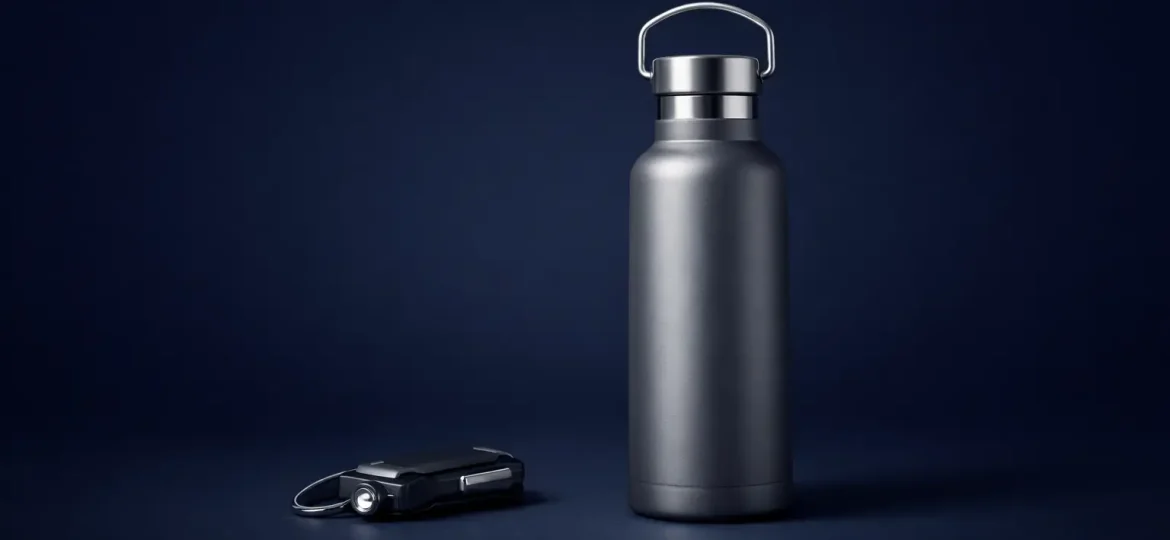
A tote bag handed out at an event is no longer judged only by how clearly the logo is printed. It is judged by whether it carries groceries, survives daily use, and feels appropriate for the person receiving it. That shift defines the future of branded merchandise: organizations are moving away from disposable giveaways and toward useful, considered brand experiences that earn a place in people’s routines.
For marketing, HR, procurement, and communications teams, this is not simply a product trend. It changes how merchandise should be planned, approved, produced, and measured. The strongest programs will balance creativity with practical use, responsible sourcing with brand quality, and customization with dependable execution.
The future of branded merchandise is more intentional
For many years, branded merchandise was treated as an item to distribute in volume. A campaign needed a giveaway, an event needed a souvenir, or a new employee needed a welcome pack. The brief often began with the product category rather than the audience need.
That approach is becoming less effective. Recipients have more choices, less space, and higher expectations for what they bring into their homes or workplaces. A generic item with a large logo may be accepted politely, then forgotten. A thoughtfully selected product that solves a small, real need can create repeated brand exposure without demanding attention.
Intentionality starts with context. A drinkware item may be right for a staff wellness initiative but less relevant for a conference audience already traveling light. A premium notebook can support a leadership program, while a compact technology accessory may suit a client event. The question is not, “What can we put our logo on?” It is, “What would this audience genuinely use in this moment?”
This does not mean every item must be expensive or elaborate. It means the purpose, audience, product, and brand message should align. When they do, merchandise becomes a useful extension of the organization rather than a separate promotional afterthought.
Utility will matter more than novelty
Novelty still has a role, especially at launches, community events, and experiential activations. It can attract attention and create a moment of surprise. But novelty alone rarely creates lasting value. The items people retain tend to be practical, well made, and easy to incorporate into daily life.
Useful merchandise also creates a more favorable brand association. A reliable umbrella during a sudden downpour, a well-designed organizer at a busy desk, or a comfortable garment worn beyond an event can reinforce the idea that an organization understands the recipient’s needs. The product carries the brand, but the experience carries the meaning.
For decision-makers, this calls for a more selective assortment. Rather than ordering several unrelated items, it may be more effective to build a focused collection around a clear use case. A new-hire kit, for example, can combine practical work essentials with a few elements that communicate culture and belonging. An event pack can be designed around convenience before, during, and after the event.
The trade-off is that useful products require closer attention to quality, functionality, and recipient preferences. A low-quality practical item can be more damaging than a simple novelty item because it fails at the job it was intended to do. Product selection, sample review, branding methods, and production standards therefore need to be part of the planning conversation early.
Sustainability will become a decision standard
Sustainability is no longer a decorative claim added to a merchandise brief. For many organizations, it is becoming a procurement consideration, a brand expectation, and an operational responsibility. Recipients increasingly notice excessive packaging, short product lifespans, and materials that do not match an organization’s stated values.
The practical response is not to label every product as environmentally friendly. Responsible merchandise planning requires specificity. Teams should consider whether an item has a long useful life, whether it is made with more considered materials, whether packaging can be reduced, and whether the quantity ordered reflects actual demand.
A reusable product is not automatically the better choice if it is unlikely to be used. Likewise, a product made from recycled content still needs to meet standards for performance, safety, and presentation. Sustainability and quality should reinforce each other rather than compete.
This is where forecasting matters. Over-ordering creates avoidable storage challenges and waste, while under-ordering can disrupt an event or employee program. Organizations benefit from a partner that can advise on product suitability, manage production timelines, and coordinate delivery with the wider campaign or event schedule. Better planning is often the most practical sustainability measure available.
Less packaging, better presentation
Reducing packaging does not require a less professional presentation. It may mean replacing multiple layers of wrapping with a clean, branded sleeve, reusable pouch, or well-designed kit box that serves a continuing purpose. For premium gifts, presentation still matters, but it should add to the experience rather than become immediate waste.
The same principle applies to branding. A subtle mark, tasteful color application, or useful message can make an item more likely to be kept than a design dominated by logos. Visibility remains important, but brand confidence is often expressed through thoughtful design rather than maximum imprint size.
Personalization will move beyond adding a name
Personalized merchandise is becoming more sophisticated. Adding an individual name remains valuable for recognition, particularly in employee appreciation, executive gifts, and learning programs. However, the next step is relevance at the group level.
Different audiences may need different products, messages, or kit combinations. A recruitment event, a customer appreciation program, and an internal milestone celebration may all support the same master brand, yet require distinct merchandise choices. Segmenting by audience helps organizations avoid a one-size-fits-all approach that serves no one particularly well.
Personalization can also reflect the occasion. A product paired with a welcome message, event agenda, campaign theme, or locally relevant visual treatment becomes part of a coherent experience. The merchandise should feel connected to the wider communication, not like a leftover item selected after the campaign creative has been finalized.
For larger organizations, consistency remains essential. Brand guidelines should govern logo use, colors, typography, and tone, while still allowing product designs to feel fresh. This balance is especially important when multiple departments, locations, or event teams are involved. A centralized branding partner can help maintain quality and consistency without forcing every project into the same template.
Measurement will become more practical
Merchandise has often been difficult to measure because its value is partly long term and partly qualitative. Not every program needs a complex measurement framework, but every program should define what success looks like before production begins.
For an event, success may include recipient uptake, audience engagement, social sharing, or follow-up conversations. For an employee program, it may be participation, feedback, onboarding experience, or use over time. For customer gifting, it may support relationship building, meeting attendance, or a broader account engagement strategy.
Simple methods can provide useful insight. Teams can track quantities distributed, invite recipients to choose from a small selection, gather short feedback after an event, or compare engagement across different campaign formats. QR-enabled packaging or a supporting digital touchpoint may add another layer of measurement when it serves a clear purpose.
The goal is not to turn every gift into a data collection exercise. It is to make better decisions for the next program. When organizations understand which items are valued and which are left behind, merchandise planning becomes more strategic and less dependent on assumptions.
What organizations should do now
The future does not require abandoning familiar merchandise categories. It requires raising the standard for how they are selected and delivered. Start with the audience and occasion, then define the desired outcome. Choose products for their usefulness, expected lifespan, and fit with the brand. Review samples carefully, confirm branding details early, and allow enough time for thoughtful production and delivery.
It also helps to bring creative, production, and logistics considerations together from the beginning. A strong concept can lose impact when product availability, printing limitations, packaging, or delivery requirements are considered too late. Integrated planning reduces last-minute compromises and gives teams a clearer view of the full brand experience.
Diverse Solutions supports this approach by bringing concept development, customized merchandise, creative production, and delivery coordination into one working relationship. For organizations managing multiple stakeholders and tight timelines, that coordination can be as valuable as the product itself.
The most memorable branded items will not be the loudest. They will be the ones that feel useful, appropriate, and well considered – small but credible reminders of a brand that pays attention to the details people experience every day.
