

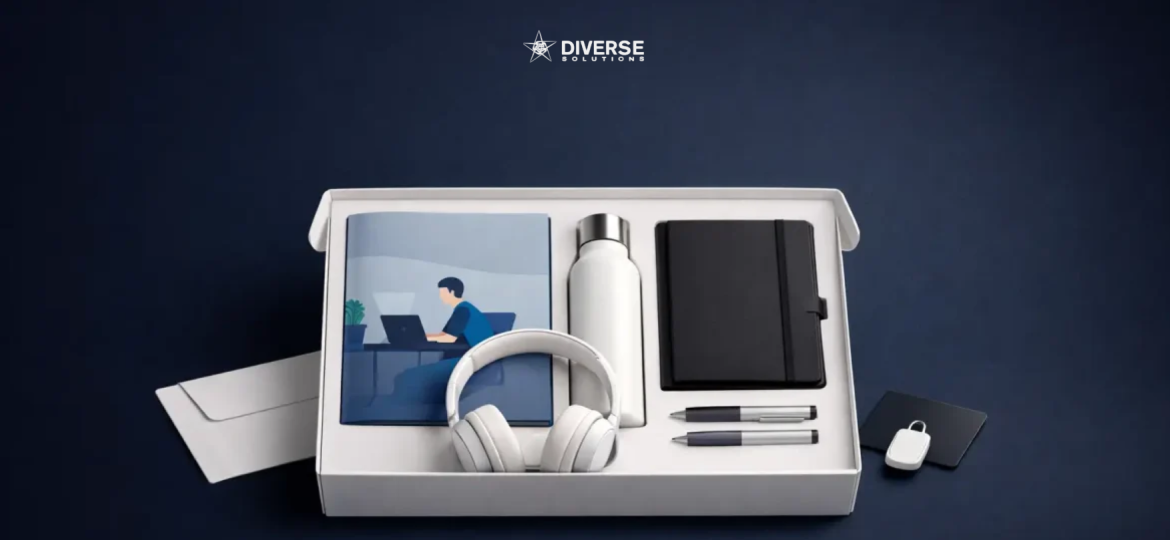
A new hire’s first physical interaction with an employer often happens before their manager has time for a proper conversation. A thoughtfully planned employee onboarding kit example can make that moment feel organized, welcoming, and distinctly on-brand. More than a collection of corporate gifts, it is a practical tool that helps employees settle in, understand expectations, and feel that they belong.
For HR, marketing, and operations teams, the challenge is not simply choosing attractive items. It is creating an experience that represents the organization consistently while remaining useful, manageable, and appropriate for different roles. The strongest kits balance culture, utility, and presentation without becoming expensive clutter.
What a Good Employee Onboarding Kit Should Do
An onboarding kit should support the first days of employment, not compete with them. New employees need clarity about their role, access to the tools that enable them to work, and small signals that the organization has prepared for their arrival. Each item should have a reason to be there.
A well-designed kit usually performs three jobs. It makes practical day-one tasks easier, reinforces the organization’s identity, and creates a memorable welcome. The relative emphasis depends on the workplace. A field-based employee may value durable work essentials, while a new corporate hire may benefit more from an organized desk setup and a clear welcome guide.
The kit should also reflect how the organization actually operates. If flexible work is part of the culture, include items that support mobility or home-office use. If sustainability is a stated commitment, material choices and packaging should demonstrate it. Brand experiences carry more weight when they match the reality employees encounter after opening the box.
An Employee Onboarding Kit Example With Purpose
Consider a mid-sized professional services organization welcoming new employees across office and hybrid roles. The company wants the first day to feel polished and personal, but it also needs a kit that is easy to prepare at scale and consistent across departments.
The onboarding kit arrives in a branded presentation box or reusable carry bag. The exterior uses the approved logo, brand colors, and a simple visual system rather than excessive decoration. Inside, a personalized welcome card introduces the employee by name, includes a short message from leadership or their manager, and points them toward their first-day schedule.
The practical core includes a high-quality notebook, pen, reusable water bottle, and laptop sleeve or pouch. These are everyday items, which gives the brand repeated visibility without forcing it into the employee’s personal life. A discreetly branded cable organizer or tech pouch can be especially useful for hybrid teams, while an access-card holder may make more sense for office-based organizations.
A concise printed onboarding guide rounds out the set. It can include a first-week checklist, essential contacts, workplace norms, key benefits reminders, and a QR code leading to the company’s internal onboarding resources. The printed piece should not attempt to replace a full employee handbook. Its job is to reduce uncertainty during the first few days, when new information can feel overwhelming.
Finally, one item can be selected for emotional value rather than pure function. This might be a locally inspired snack, a small desk plant, a team postcard set, or a modest item tied to the organization’s culture. The best choice depends on the employer and audience. It should feel considered, not generic.
Design the Experience Around Key Moments
The kit itself matters, but timing determines whether it feels genuinely welcoming or merely administrative. Sending a home-delivery kit before the start date can build anticipation for remote and hybrid employees. For office-based teams, placing the kit at a prepared workstation gives the arrival experience a stronger sense of readiness.
Before Day One
A pre-start kit should focus on reassurance. Include the welcome note, basic schedule information, and perhaps a small branded item that creates a connection before the employee joins. Avoid sending sensitive documents or materials that require immediate action unless there is a clear process for support.
This is also the stage to verify names, delivery addresses, dietary preferences if food is included, and any cultural considerations. Personalization is valuable, but errors are highly visible. A misspelled name or incorrect delivery can undermine the care the kit is intended to communicate.
On the First Day
Day-one materials should help the employee navigate the environment. An office map, access-card sleeve, meeting notebook, and concise welcome guide can be more valuable than novelty merchandise. If the organization has multiple locations or a large campus, include location-specific information rather than issuing one generic kit to everyone.
For virtual onboarding, the kit should work alongside the digital program. A physical welcome package cannot compensate for unclear systems access, an unprepared manager, or a fragmented induction schedule. It can, however, make a remote employee feel visibly included in the organization’s culture.
During the First Month
Not every item must be given on day one. A milestone item delivered after the first month, such as a team-branded jacket or a recognition note from a manager, can extend the welcome beyond a single event. This approach is particularly useful when organizations want to avoid overloading the initial kit.
Choose Items That Support the Brand and the Work
The most common mistake is treating an onboarding kit as a merchandise catalog. A large assortment may look impressive initially, yet it can create unnecessary waste, complicate fulfillment, and dilute the message. Fewer, better-selected items usually create a more professional outcome.
Start with the employee’s working context. Desk-based roles often benefit from notebooks, drinkware, tech accessories, and practical bags. Client-facing teams may need presentation folders, name badges, or travel-friendly accessories. Employees in operations, education, or field roles may require different materials entirely. One standard kit is efficient, but role-based variations can be worth the added coordination when needs differ substantially.
Quality also affects perception. A pen that fails, a bottle that leaks, or packaging that arrives damaged communicates the opposite of care. This does not mean every item needs to be premium. It means the selected materials, printing methods, and finishing should be fit for their intended use.
Branding should be intentional. A prominent logo can be appropriate on a carry bag or outer box, while a smaller mark may suit personal items such as drinkware and apparel. Use the approved brand guidelines for logo clearance, colors, typography, and tone. Consistency matters more than placing the logo on every available surface.
Plan Production and Fulfillment Early
An onboarding kit is a small project with many moving parts: product sourcing, customization, packaging, inventory, employee data, and delivery. When HR, procurement, marketing, and operations work independently, missed details and inconsistent presentation become more likely.
Create a simple specification before selecting products. Define the audience, number of kits, role-based variations, brand guidelines, required items, packaging format, fulfillment method, and expected replenishment needs. This helps decision-makers evaluate options against the actual program requirements rather than choosing based on appearance alone.
Lead times deserve close attention, particularly for customized products, specialty packaging, or staggered delivery across locations. It is wise to keep a controlled inventory of core items for unplanned hires while reserving highly personalized elements for confirmed starters. That combination supports responsiveness without creating excessive unused stock.
Working with an integrated branding partner can simplify this process by bringing creative development, branded merchandise, print production, packaging, and fulfillment into one coordinated workflow. Diverse Solutions Singapore supports this kind of end-to-end execution, helping organizations maintain brand consistency while reducing the burden of managing multiple vendors.
Measure Whether the Kit Is Helping
A welcome kit should be reviewed like any other employee experience initiative. Ask new hires whether the contents were useful, whether the information answered early questions, and whether the presentation reflected the organization they joined. Managers can also identify which items employees continue to use after the first month.
Usage matters more than volume. If employees regularly carry the pouch, use the notebook in meetings, or keep the welcome guide nearby during their first week, those items are working. If certain products remain unopened or are frequently left behind, they may not belong in the next version.
Refresh the kit when brand guidelines, work models, or employee needs change. The most effective onboarding materials are not static giveaways. They are carefully managed brand touchpoints that show new employees, from the start, that the organization is prepared to support the work ahead.
