

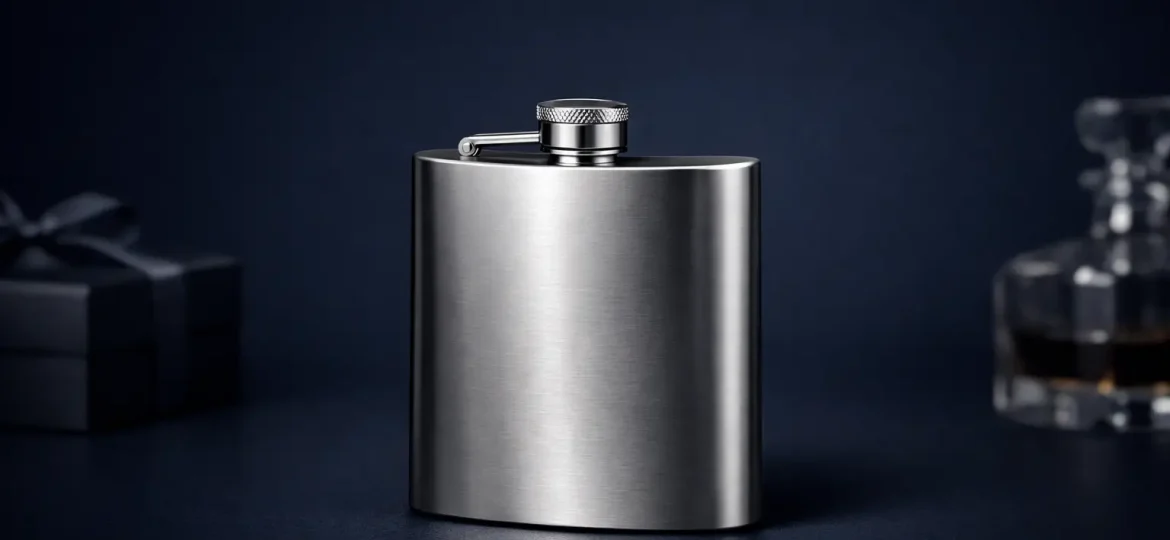
A corporate gift can be practical without feeling ordinary. When it is selected with the recipient, occasion, and brand in mind, a flask becomes a daily-use item that keeps your organization visible long after an event, onboarding session, or campaign has ended. Ready stock flasks are particularly useful when teams need dependable merchandise within a defined timeline, but choosing from available inventory still calls for careful brand and quality decisions.
For marketing, HR, procurement, and event teams, the question is not simply whether a flask is in stock. It is whether the available product supports the intended experience, carries the brand professionally, and can be delivered without creating additional coordination work.
When ready stock flasks are the right choice
Ready stock flasks are pre-available drinkware products that can typically be selected, branded, and prepared faster than fully custom-made alternatives. They are a practical consideration for organizations running time-sensitive activities such as conferences, staff appreciation programs, roadshows, client meetings, school initiatives, and event registration packs.
Their value lies in certainty. Product styles, colors, capacities, and core materials are already defined, allowing the project team to focus on brand application, quantity confirmation, and distribution requirements. This can shorten the approval process and reduce the risks associated with waiting for a completely new product to be manufactured.
That said, ready stock does not mean one-size-fits-all. A simple stainless steel flask may suit a formal client event, while a lightweight bottle may be more appropriate for an employee wellness initiative. The strongest choice is the one that fits how recipients are likely to use it.
Start with the purpose, not the product
Flasks are versatile because they can support several business objectives at once: brand visibility, employee engagement, event usefulness, and a more considered approach to reusable merchandise. However, each objective places different demands on the product.
For a corporate seminar, a compact flask that fits easily into a bag may be more useful than a large-capacity bottle. For a sports day or outdoor activation, capacity, grip, and ease of drinking may matter more. For executive or client gifting, material finish, lid design, and the overall presentation become more prominent.
It also helps to consider the moment at which recipients will receive the item. A flask handed out at event registration should be immediately useful during the program. A flask included in a welcome kit should feel aligned with the organization’s culture. A year-end gift should look intentional rather than like a leftover promotional item.
This purpose-led approach prevents a common procurement issue: selecting an available product first, then trying to force it into a campaign concept. Availability matters, but relevance is what gives the gift value.
What to assess before confirming stock
A product image does not tell the complete story. Before committing to ready stock flasks, organizations should assess the physical and branding details that influence recipient perception.
Material and everyday performance
Common choices include stainless steel, plastic, aluminum, and double-wall insulated constructions. Each has a different role. Stainless steel often conveys durability and a more premium feel. Insulated options are suited to recipients who carry beverages through the workday or commute. Lightweight bottles may work well for larger event distributions where portability is a priority.
Lid construction deserves equal attention. Consider whether the flask uses a screw cap, flip lid, sip opening, straw lid, or handle. A lid that is inconvenient to open or difficult to clean can reduce how often the item is used. If the audience includes commuters, students, or active participants, leak resistance and portability should be reviewed closely.
Size, color, and silhouette
Capacity should match the context. Smaller formats are often appropriate for desk use, meeting packs, and compact gift sets. Larger flasks may make better sense for fitness, outdoor, or all-day event settings. A product that is too bulky can be inconvenient, while one that is too small may not meet the recipient’s practical needs.
Color selection should support brand recognition without compromising usability. Neutral colors such as black, white, silver, and navy are widely adaptable and can make a logo stand out. Brighter colors can bring energy to youth-focused, wellness, or campaign-led programs, provided they remain consistent with the visual identity.
The flask’s silhouette also affects branding. A wide, smooth print area may accommodate a prominent logo, while a curved or textured surface may call for a simpler mark. This is where early production advice can prevent artwork that looks strong on screen but loses clarity on the finished item.
Branding method and artwork readiness
Branding should enhance the flask rather than overwhelm it. Depending on the material and product design, options may include screen printing, UV printing, laser engraving, or other suitable applications. The right method depends on the desired finish, artwork complexity, and expected use of the item.
A single-color logo can look refined on a premium stainless steel flask, especially when paired with an understated placement. Campaign artwork with multiple colors may require a different product surface and application method. If the flask is intended as a commemorative event item, including a short event name or date can add relevance, but too much text can quickly make the design feel crowded.
Provide approved logo files early and confirm the print area before finalizing artwork. Brand teams should also check color references, logo clear space, orientation, and whether the chosen design remains legible from a normal viewing distance.
Managing deadlines without compromising brand standards
The advantage of ready stock is speed, but successful execution still requires a clear sequence of approvals. Inventory status should be checked before artwork is finalized, particularly when a selected color or capacity is central to the campaign concept. Stock availability can change, especially for popular neutral shades and practical flask sizes.
Once product availability is confirmed, align all stakeholders on the artwork, branding method, quantity, packaging, and delivery points. A clear approval process is valuable for organizations with marketing, procurement, and communications teams involved. It prevents last-minute changes that may affect production schedules or create inconsistent versions of the brand asset.
For multi-location distribution, consider how the flasks will be packed and handed over. Individual boxes may be appropriate for client gifts or onboarding kits, while bulk packing may be more efficient for a large internal event. The distribution format should protect the product while matching the level of presentation required.
Creating a more complete brand experience
A flask does not have to stand alone. It can form part of a coordinated event or employee engagement experience alongside a notebook, tote bag, lanyard, welcome card, or campaign insert. The goal is not to add items for the sake of it, but to create a set with a clear purpose and consistent visual direction.
For example, a workplace wellness initiative may pair a reusable flask with practical messaging that encourages hydration and healthier routines. A conference pack may use the same event color palette across the flask, badge, and printed materials. For new employees, the flask can become part of a welcome kit that helps make the first day feel organized and considered.
This is where working with an integrated branding partner can simplify execution. Diverse Solutions helps organizations align merchandise, artwork, print materials, and event support so that individual items contribute to one coherent brand experience rather than arriving as unrelated deliverables.
Avoid treating stock availability as the only decision factor
Ready stock flasks are an efficient option, particularly when speed and operational certainty matter. Yet the fastest available item is not always the right one. A poorly matched flask may be used once and forgotten, while a thoughtful choice can become part of a recipient’s routine.
Before approving a product, ask a straightforward question: would the intended recipient choose to carry this after the event is over? If the answer is yes, the flask is more likely to deliver lasting value for both the recipient and the brand.
