

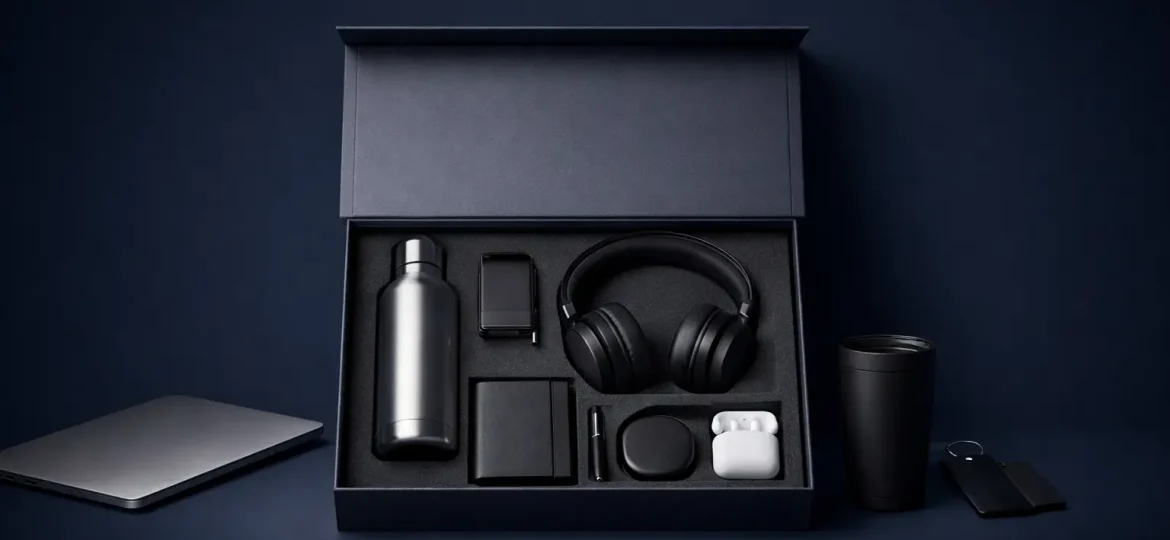
A new employee’s first day often involves passwords, policies, introductions, and a great deal of information to absorb. The best corporate welcome kit items give that day a more human starting point. They show that the organization has prepared for the person behind the job title, while making the first weeks more practical and connected to the brand.
A welcome kit is not simply a collection of logo products. It is a carefully considered brand experience that supports onboarding, reinforces culture, and helps employees feel equipped to contribute. For HR, marketing, and procurement teams, the challenge is selecting items that are genuinely useful, appropriate for the audience, and consistent across every detail.
Start With the Employee Experience, Not the Product Catalog
The most effective kits begin with a simple question: what will this person need, use, or appreciate in their first month? That answer will differ between a field-based employee, a hybrid office professional, a campus recruit, and a senior hire joining a leadership team.
A new employee working primarily from home may value desk tools and technology accessories. Someone who commutes daily may get more use from a durable drinkware item or compact bag. For organizations welcoming large cohorts, standardization is important, but it should not result in a kit that feels generic or disconnected from how people actually work.
The strongest approach combines three roles in one package: something useful for work, something that reflects culture, and something personal enough to create a positive impression. This balance prevents the kit from becoming either a purely administrative bundle or a collection of promotional items with little long-term value.
Best Corporate Welcome Kit Items for a Useful First Day
Rather than adding as many products as possible, select a focused group of items that work together. Quality, relevance, and presentation usually matter more than quantity.
A welcome note with a clear purpose
A personalized welcome card remains one of the most meaningful components of any kit. It can include a short message from a manager or leadership team, practical first-day details, and a concise statement of the organization’s purpose or values.
This is also an opportunity to make the onboarding experience feel intentional. Avoid filling the card with lengthy policy information. The message should be warm, specific, and easy to read, while the operational details can be provided through a separate onboarding guide or digital resource.
Branded notebook and quality pen
A notebook and pen are dependable choices because they are useful across roles and work environments. They are especially effective when the design is restrained and aligned with the company’s visual identity. A well-made notebook can remain on an employee’s desk long after the first week, creating repeated brand visibility without feeling overly promotional.
Consider the practical details: paper quality, page layout, pen comfort, and whether the notebook is easy to carry. A premium-looking item that is awkward to use sends the wrong message. Thoughtful utility is part of brand quality.
Reusable drinkware
An insulated bottle, tumbler, or travel mug is one of the most reliable welcome kit additions. It supports daily routines, works in office and hybrid settings, and offers a visible but non-intrusive place for branding.
The choice depends on your workforce. A bottle may suit active or commuting teams, while a tumbler may be more appropriate for office-based employees. Pay attention to lid design, capacity, durability, and ease of cleaning. These details determine whether the item becomes a favorite or remains in a cupboard.
Work-ready technology accessories
Technology accessories are valuable when they solve a real workday inconvenience. Options may include a charging cable organizer, wireless charging pad, webcam cover, laptop sleeve, mouse pad, or compact power bank. These products are particularly relevant for hybrid teams, where employees move between home, office, and client locations.
There is a trade-off to manage. Tech items can feel contemporary and useful, but they require careful quality control and compatibility checks. A poorly performing charging accessory can undermine an otherwise polished onboarding experience. Choose dependable products, test samples, and keep branding subtle enough that the item looks professional in any setting.
An everyday carry bag or pouch
A tote bag, document pouch, or compact organizer can bring the rest of the kit together. It also gives employees something practical for commuting, meetings, or travel. The right option depends on the organization’s brand personality and the intended contents.
For a more formal environment, a structured document holder or laptop pouch may fit best. A durable tote can suit organizations with a casual, community-focused culture. Material selection matters here. A bag that looks good but cannot withstand regular use quickly loses its value.
Company apparel with an appropriate fit
Apparel can build a strong sense of belonging, particularly for events, service teams, retail environments, and organizations with an active internal culture. A polo shirt, lightweight jacket, cap, or T-shirt can work well when it is well-designed and aligned with how employees dress.
However, apparel is not automatically the right choice for every kit. Sizing adds administrative complexity, and some employees may not wear visibly branded clothing outside company activities. If apparel is included, offer inclusive sizing, comfortable materials, and a design people would genuinely choose to wear.
A small item that reflects culture
This is where a welcome kit can become memorable. Depending on the organization, it could be a locally inspired snack, a desk plant kit, a set of value cards, a team activity prompt, or a thoughtfully designed desk object. The item does not need to be expensive to feel considered.
Its role is to communicate personality. A company that values sustainability might select reusable or responsibly sourced materials. A creative organization may use an illustration-led card set. A business with a strong learning culture could include a reading recommendation from its leaders. The connection should be authentic, not decorative.
Design the Kit as One Brand Experience
The best corporate welcome kit items can lose impact when they arrive in mismatched colors, inconsistent logos, or low-quality packaging. Employees notice the difference between products that were assembled from separate sources and a kit designed as one experience.
Start with a defined visual system: logo usage, color palette, typography, tone of voice, and packaging style. Then consider the unboxing sequence. What does the employee see first? Is the welcome note visible? Are items protected and organized? Does the outer box or bag feel appropriate for the organization’s level of professionalism?
Packaging should support the experience without creating unnecessary waste. A reusable box, practical pouch, or recyclable packaging can be a better decision than elaborate single-use materials. The right choice depends on the delivery method, product mix, and sustainability goals, but intentional packaging always makes the kit feel more complete.
Plan for Scale, Delivery, and Consistency
A welcome kit project is often judged not only by creative quality, but by whether every employee receives the correct kit at the right time. This becomes more complex when onboarding dates change, employees are spread across locations, or each department has different requirements.
Before production begins, confirm the recipient list, delivery addresses, size requirements, stock levels, and lead times. Establish which components must remain consistent for every employee and which can be customized, such as name cards, department inserts, or regional messages. This prevents late-stage changes from affecting quality or delaying onboarding.
For larger organizations, it is helpful to create a repeatable kit framework rather than reinventing the package for every intake. A core set of branded essentials can be supported by optional modules for leadership hires, event participants, interns, or remote employees. This maintains brand consistency while giving teams flexibility where it adds value.
Working with a single branding partner can also reduce the coordination burden. From creative development and product sourcing to packing, inventory management, and delivery, an integrated process helps teams maintain control over standards without managing multiple vendors. Diverse Solutions supports this kind of end-to-end execution, helping organizations turn onboarding requirements into a coordinated brand touchpoint.
A Short Review Before You Approve Production
Before final approval, ask whether each item earns its place in the kit. A useful review should cover these questions:
- Does this item support the employee’s workday, comfort, or connection to the organization?
- Does the design reflect our brand in a professional and consistent way?
- Is the product quality appropriate for the impression we want to make?
- Can the kit be packed, delivered, and replenished reliably?
- Would an employee be pleased to keep or use this item after the first week?
If an item cannot meet at least one of these tests, it may be better to remove it and invest in fewer, more considered components.
A welcome kit does not need to be elaborate to be effective. When the contents are relevant, the presentation is cohesive, and the delivery is dependable, it becomes a practical expression of how an organization welcomes people: prepared, thoughtful, and ready to help them belong.
