

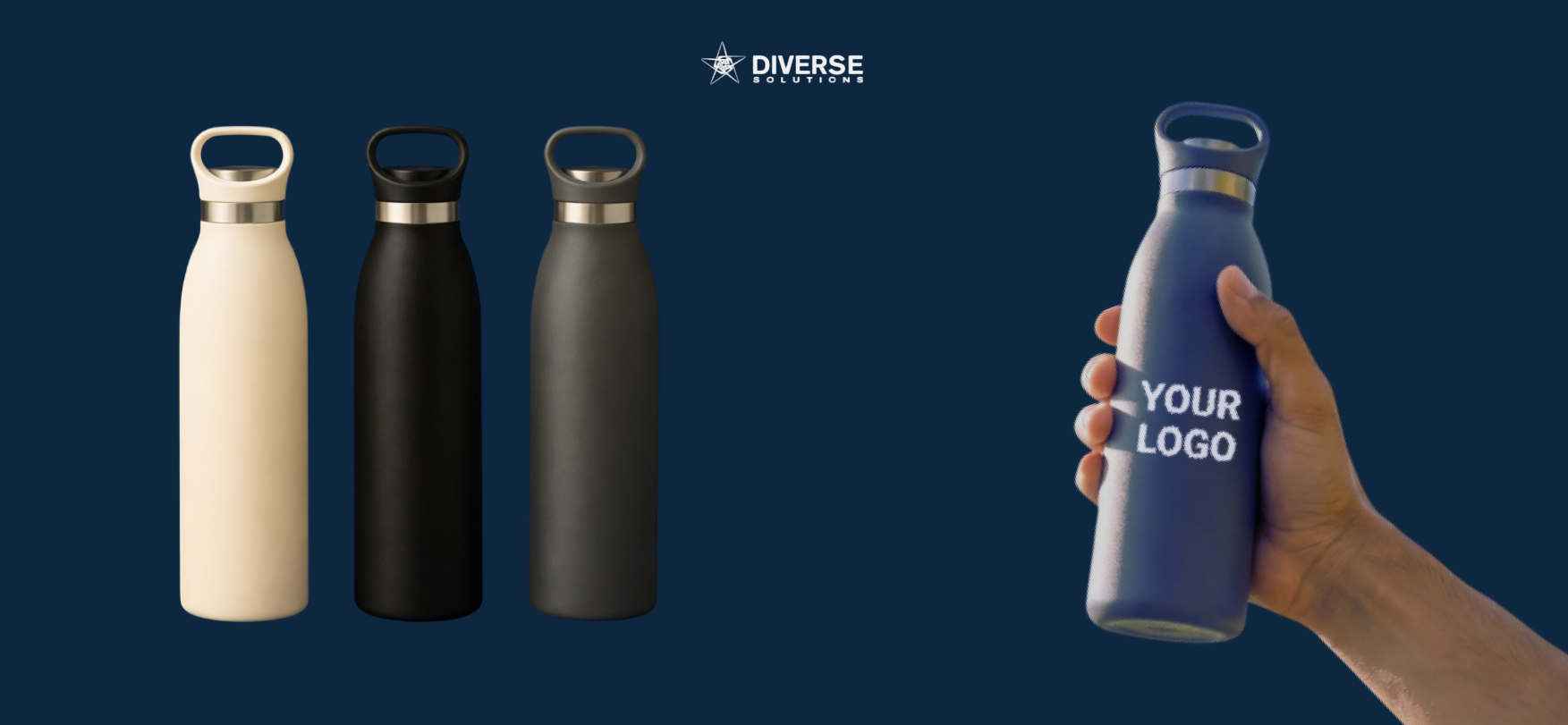
A campaign deadline can turn a simple product decision into a costly bottleneck. When you need branded tumblers, bottles, mugs, or travel cups, the question of ready stock drinkware vs custom usually comes down to more than price. It affects lead time, brand presentation, order flexibility, and how confidently you can deliver for an event, client gift, staff rollout, or promotional push.
For most organizations, there is no single right answer. The better choice depends on what matters most in that moment – speed, uniqueness, budget control, or brand impact. If you are planning procurement with business goals in mind, it helps to understand where each option performs best and where compromises may appear.
Ready stock drinkware vs custom: the real difference
Ready stock drinkware refers to items that are already available in standard designs, colors, capacities, and materials. These products can typically be branded with a logo or simple artwork more quickly because the base item already exists. This route is often chosen for urgent timelines, recurring internal needs, and campaigns where function and availability matter more than product exclusivity.
Custom drinkware starts earlier in the process. Instead of selecting from existing stock, you shape more of the product itself. That may include the color, finish, lid style, packaging, dimensions, material choice, decoration method, or even the overall form. This route is usually better suited for brands that want stronger differentiation, a more premium presentation, or tighter control over every touchpoint.
The practical distinction is simple. Ready stock helps you move faster. Custom helps you say more.
When ready stock drinkware makes better business sense
If your priority is speed, ready stock is hard to beat. Marketing teams working against event dates, HR teams preparing onboarding kits, and procurement teams replacing approved merchandise often benefit from a product line that is already available for selection. You can review options quickly, confirm decoration requirements, and keep the process moving without extending timelines for development and production.
This approach also tends to lower complexity. There are fewer design approvals, fewer production variables, and a clearer path to costing. For organizations managing multiple stakeholders, that simplicity can be valuable. A straightforward order can reduce delays caused by internal reviews or changing specifications.
Budget predictability is another reason buyers choose ready stock. Standardized items often make it easier to compare price points, manage quantity planning, and keep projects within approved spending ranges. If the goal is broad distribution at scale, such as conference giveaways or school campaigns, a well-selected ready-stock bottle or tumbler can still look professional while controlling cost.
That said, ready stock does involve limits. Your chosen colors may not perfectly match brand guidelines. The shape may be functional but not distinctive. If competitors are sourcing from similar product categories, your item may feel less ownable. For practical campaigns, this may be acceptable. For flagship branding moments, it may not be enough.
Where custom drinkware delivers more value
Custom drinkware becomes more compelling when the product itself is part of the message. If you are launching a new program, thanking premium clients, building executive gift sets, or creating merchandise tied closely to brand identity, customization gives you more room to create something memorable.
This is not only about visual appeal. It is about consistency. A custom bottle with the right finish, packaging, and design language can support the rest of your campaign materials, event setup, print assets, or digital rollout. Instead of adding a logo to a generic item, you are creating a branded object that feels intentionally developed.
That stronger alignment can improve perceived value. Recipients often notice details such as texture, color accuracy, handle design, lid quality, and packaging presentation. These elements shape how the gift reflects on your organization. A custom piece can make the brand feel more established, more considered, and more premium.
The trade-off is time. Custom development usually requires longer lead times, more detailed approvals, and closer production coordination. Minimum order quantities may also be higher. If your timeline is tight or your demand is uncertain, a fully custom route can introduce pressure rather than value.
How to choose based on your use case
The right decision becomes clearer when you look at the purpose behind the order.
For events and roadshows, ready stock is often the practical winner. When the audience is broad and the timeline is fixed, quick sourcing and dependable fulfillment matter most. You want merchandise that looks good, functions well, and arrives on time without unnecessary complexity.
For employee welcome kits or internal engagement programs, it depends on scale and importance. If you are ordering for ongoing onboarding across departments, ready stock can keep costs and replenishment manageable. If the program is part of a larger employer branding initiative, custom drinkware may better support that investment.
For client gifting, custom usually has the edge. Presentation matters more, and the recipient experience is more personal. A distinctive item with tailored packaging can elevate the impression significantly.
For retail-style merchandise or branded resale, custom is often worth stronger consideration. If the product will represent your brand publicly and repeatedly, differentiation becomes a commercial advantage rather than just a visual preference.
Budget is not just about unit price
Many buyers compare ready stock and custom based on unit cost alone. That is understandable, but incomplete. The better measure is total project value.
Ready stock may cost less per piece and require fewer setup steps. That makes it efficient, especially for straightforward campaigns. But if the item does not match the intended audience or brand positioning, the lower cost may not translate into better outcomes.
Custom drinkware often carries higher development and production costs, yet it may deliver stronger perceived value, better retention, and a more polished campaign presence. If one premium item creates a stronger client relationship or enhances a major launch, the return can justify the investment.
A practical way to think about budget is this: if drinkware is a support item, ready stock is often sufficient. If drinkware is part of the brand story, custom may be the smarter spend.
Lead time, approvals, and internal coordination
Operationally, lead time can be the deciding factor.
Ready stock projects usually move faster because product selection happens from existing inventory. Decoration is still part of the process, but the base product is not being created from scratch. That reduces uncertainty and makes scheduling easier, particularly for repeat orders or fast-moving campaigns.
Custom projects require more alignment. Design teams may need to review mockups. Procurement may need to confirm quantity thresholds and budgets. Marketing may want tighter control over finish and presentation. None of this is a problem when the schedule supports it. The issue starts when custom ambitions are introduced too late.
This is where working with a one-stop partner can help. When sourcing, branding, print support, and campaign execution are handled in a coordinated way, the product decision fits into a wider delivery plan rather than becoming a stand-alone purchase. For organizations managing multiple moving parts, that coordination saves time and reduces risk.
Brand impact: visible, useful, and remembered
Drinkware remains one of the most practical branded product categories because it is used repeatedly. That repeat exposure is valuable, but only if the item earns its place in daily use.
Ready stock can still perform very well here. A clean, durable bottle in the right format may get more everyday use than an overdesigned custom piece. Utility matters. If the product is easy to carry, easy to clean, and appropriate for the audience, brand visibility follows naturally.
Custom gains ground when memorability matters as much as function. A better silhouette, premium finish, or well-developed gift set can create a stronger emotional response. The item feels selected for the recipient, not just ordered for the occasion.
The strongest results often come from balancing both sides. Good branding is not about choosing the most elaborate route. It is about selecting the right product strategy for the moment.
So which should you choose?
Choose ready stock when your project needs speed, cost control, and dependable execution. It is especially effective for events, broad distribution, recurring corporate needs, and time-sensitive campaigns.
Choose custom when the drinkware needs to carry more brand weight. It is the better fit for premium gifting, high-visibility launches, executive presentations, and campaigns where distinction matters.
For many organizations, the smartest approach is not either-or. It is knowing when to use each. A capable branding partner should be able to support both routes, advise on trade-offs, and match the product decision to your bigger goals. That is where execution becomes more than procurement. It becomes part of how your brand shows up.
If you are deciding between ready stock and custom, start with the outcome you need to create, not just the item you need to buy. The clearer that objective is, the easier it becomes to choose drinkware that works as hard as your brand does.
