

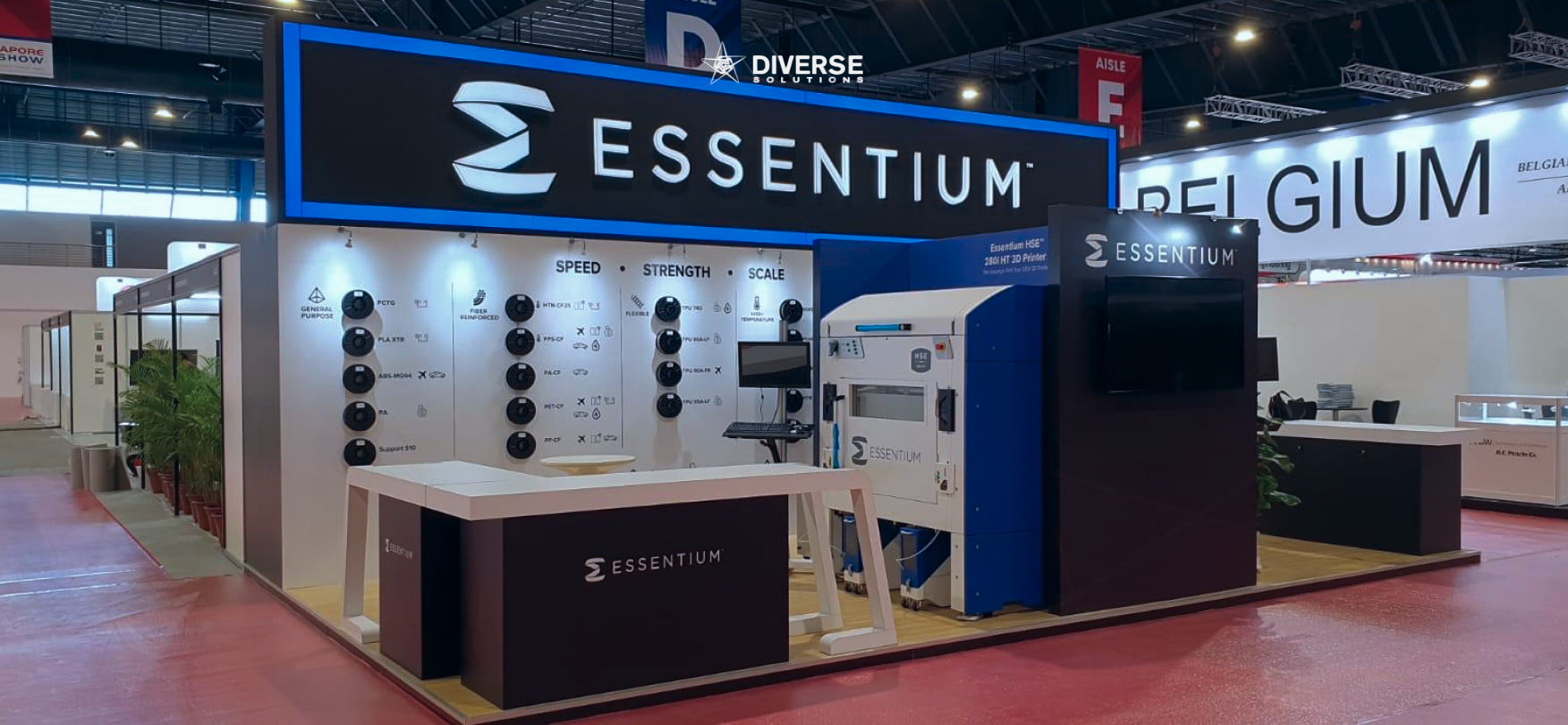
A missed delivery at 8:00 a.m., a backdrop that arrives in the wrong size, a registration desk with no printed badges – this is usually how an event starts to unravel. Good event management prevents those moments long before guests walk in. For organizations investing in launches, conferences, roadshows, staff engagement, or public-facing activations, the real value is not just getting through the day. It is protecting the brand, the budget, and the outcome.
For business decision-makers, event management is often treated as a scheduling exercise. Book the venue, confirm vendors, send invites, and move on. In practice, it is closer to operational brand control. Every touchpoint matters – signage, stage visuals, welcome kits, printed materials, photography, guest flow, timing, and post-event follow-up. If these elements are handled in isolation, even a well-funded event can feel fragmented.
Why event management matters more than the event itself
An event is one of the few marketing and corporate activities where people experience a brand in real time. They do not just read about it. They interact with it, photograph it, compare it, and remember how it felt. That means event management has a direct effect on credibility.
When execution is tight, guests notice professionalism without having to think about it. Registration is efficient. Branding is consistent. The space feels considered. Speakers have what they need. Giveaways look intentional rather than leftover. These details signal that the organization is organized, reliable, and serious about quality.
The reverse is just as true. A poor event rarely fails because of one dramatic problem. More often, it loses trust through a series of small misses – unclear wayfinding, mismatched printed materials, delayed setup, low-quality merchandise, inconsistent messaging, or weak coordination between design and production. None of these issues are minor when the event is part of a campaign, stakeholder meeting, or high-visibility launch.
Event management is part logistics, part brand delivery
This is where many teams underestimate the scope. Strong event management is not only about moving parts on a timeline. It is also about translating a brand into a physical environment that feels cohesive.
That usually includes visual assets such as stage backdrops, banners, signage, welcome boards, presentation materials, name badges, product displays, and printed handouts. It may also involve corporate gifts, event souvenirs, staff apparel, photography, or digital support. If those items are sourced from multiple vendors, the coordination burden rises fast.
A one-stop partner has a practical advantage here. When the same team can support branding, print, creative production, merchandise, and event execution, there are fewer handoff gaps and fewer interpretation errors. The logo treatment stays consistent. Timelines are easier to control. Adjustments happen faster. For procurement and marketing teams, that means less chasing and more confidence.
What strong event management looks like behind the scenes
Most successful events look simple from the outside because the complexity has already been managed. That work starts with clarity.
Objectives come first
Before production begins, the event needs a clear commercial or organizational purpose. Is the goal lead generation, employee engagement, stakeholder communication, brand visibility, education, or public outreach? The answer shapes everything else, from venue format to gift selection.
A product launch might prioritize visual impact, media readiness, and photography. A government or institutional event may place more weight on protocol, signage accuracy, and flow management. An internal town hall may focus on speed, comfort, and polished materials without excessive production spend. Event management is never one-size-fits-all because the stakes are different every time.
Timelines need real operational thinking
A project plan is useful, but only if it reflects production reality. Print lead times, customization approvals, delivery scheduling, venue access windows, setup dependencies, and last-minute changes all affect timing. This is where experienced teams create breathing room.
For example, branded gifts may require artwork approval before production. Signage dimensions may need venue confirmation. Photography schedules may depend on stage rehearsals. When these dependencies are mapped early, the event becomes manageable. When they are not, the final week gets expensive.
The guest journey should be intentional
Guests experience events in sequence, not in departments. They arrive, register, find their way, receive materials, engage with staff, listen, participate, and leave with an impression. Event management should support that journey from start to finish.
That means asking practical questions. Is the welcome area clearly branded? Are registration materials easy to handle? Do staff members have matching identifiers? Are directional signs visible from the right angles? Are gifts presented in a way that feels premium rather than rushed? Good planning turns these questions into standard checks, not last-minute fixes.
Where event management often goes wrong
The most common problem is not lack of effort. It is fragmentation. Different teams may handle design, gifts, printing, venue liaison, and setup, but no one owns the full picture. As a result, decisions are made in silos.
A designer may create visuals that are difficult to produce at scale. A merchandise supplier may not know the event theme or audience profile. A printer may receive late artwork because approvals were delayed elsewhere. On paper, each vendor is doing their job. In reality, the event starts losing coherence.
Budget pressure creates another challenge. Cost control matters, but the cheapest option in one area can create avoidable losses in another. Low-cost signage that looks flat in photos can weaken the event’s visual impact. Generic gifts may save a little upfront but fail to support recall. Rushed production often costs more than planned production.
That does not mean every event needs premium treatment across the board. It means spending should match purpose. A smart event management approach knows where to invest and where to simplify without hurting the experience.
Why integrated support makes execution easier
For many organizations, the hidden cost of an event is coordination. Internal teams spend hours briefing multiple suppliers, reconciling artwork versions, checking sizes, tracking deliveries, and solving problems that sit between vendors. That time has a cost, especially for lean marketing teams and administrative leads.
Integrated support reduces that friction. If one partner can handle creative adaptation, print production, branded merchandise, event collateral, photography, and on-the-ground coordination, the event moves with fewer delays and fewer quality mismatches. It also improves accountability. There is less room for finger-pointing when responsibilities are aligned.
This is especially useful for repeat events, annual conferences, multi-location activations, and campaigns that need consistency across several touchpoints. A centralized team can retain brand standards, production knowledge, and stakeholder preferences from one event to the next.
For organizations that value efficiency, that continuity matters as much as creativity. It shortens briefing time, improves accuracy, and makes scaling easier. That is one reason many clients prefer working with a partner like Diverse Solutions Singapore when event deliverables extend beyond venue setup and into branding, print, gifting, and content support.
Choosing the right event management partner
A good portfolio helps, but capability matters more than presentation. The right partner should be able to think commercially, execute reliably, and adapt when conditions change.
Look for practical signs of strength. Can they manage both creative and operational requirements? Do they understand customization, production timelines, and brand consistency? Are they responsive when approvals shift or quantities change? Can they support institutional standards as well as commercial campaigns?
It also helps to assess how they communicate. Strong event management partners ask specific questions early. They want to know the audience, venue constraints, brand expectations, budget range, critical deadlines, and success measures. That level of detail is not overcautious. It is usually what keeps the event from drifting off course.
Event management as a business advantage
Well-executed events do more than look polished. They help sales teams start better conversations, support HR and leadership communication, strengthen stakeholder trust, and give marketing campaigns physical presence. In many cases, the event is not the finish line. It is the platform that makes the next business action easier.
That is why event management should be treated as a strategic function, not an administrative afterthought. The companies that get strong results are rarely the ones doing the most. They are the ones aligning message, materials, logistics, and brand experience with discipline.
If your next event needs to carry real business weight, start by looking beyond the venue and agenda. The outcome usually depends on everything guests notice before the first presentation even begins.
