

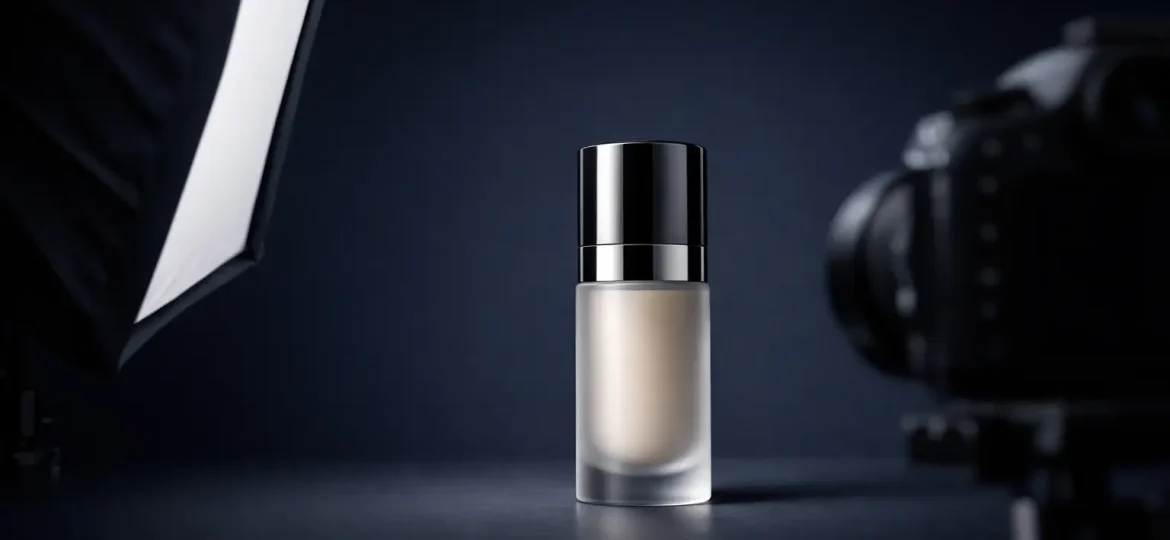
A customer may spend only seconds deciding whether a product feels credible, useful, and worth further consideration. Before they read specifications, request a quotation, or speak with a sales representative, they often see the image. That is why use professional product photography is not simply a creative decision. It is a practical investment in how an organization presents quality, builds confidence, and protects its brand across every customer touchpoint.
For businesses managing catalogs, e-commerce platforms, corporate gifts, campaign materials, event collateral, or sales presentations, product imagery has to do more than look attractive. It must accurately represent the item, align with brand standards, and work reliably in multiple formats. A poorly lit or inconsistent image can make even a well-made product appear ordinary. A professionally produced image helps the audience focus on the value of what is being offered.
Why Use Professional Product Photography for Brand Trust
Professional photography gives products the level of attention that customers expect from an established organization. Controlled lighting, thoughtful composition, accurate color, and careful styling make a visible difference. These details signal that the business is organized, accountable, and serious about its offering.
This matters particularly when customers cannot physically inspect an item before making an inquiry or purchase. A clear image can show material finish, scale, functional features, packaging, and relevant product details. It reduces uncertainty without overexplaining. For corporate merchandise, branded gifts, uniforms, printed materials, or display items, photography can also demonstrate how branding appears on the finished product rather than leaving stakeholders to imagine the outcome.
Trust is shaped by consistency as much as visual quality. When images use different backgrounds, lighting styles, color treatments, or cropping, a catalog can feel fragmented. The products may be excellent, but the presentation suggests a lack of control. A consistent visual system reinforces the idea that each part of the customer experience has been considered.
Better Images Support Better Business Decisions
Product photography is often treated as the final stage of a campaign or product launch. In practice, it should be planned earlier because the images influence how marketing, procurement, sales, and communications teams work.
A strong product image library gives marketing teams adaptable assets for brochures, social content, digital campaigns, exhibition graphics, and email communications. Sales teams can use the same approved images in presentations and proposals. Procurement and operations teams gain a clearer reference point when coordinating product selection, approvals, and fulfillment. Instead of repeatedly requesting new photos or relying on inconsistent supplier images, the organization has a central set of assets ready for use.
For organizations with multiple departments or locations, this level of control is especially valuable. Brand managers can maintain visual standards without manually reviewing every new piece of collateral. HR teams can present employee welcome kits, recognition gifts, or internal campaign items with greater care. Event organizers can promote merchandise and branded experiences before attendees arrive.
The benefit is not merely speed. It is reduced ambiguity. When everyone works from accurate, current visuals, there is less room for misunderstanding about product features, finishes, or intended presentation.
Accuracy Prevents Disappointment
Professional photography should not make a product look like something it is not. The objective is to present the item at its best while keeping the representation honest. This is where experienced direction matters.
Color accuracy is essential for branded products, packaging, apparel, and printed materials. The wrong lighting or editing can alter a corporate color, make fabric appear different, or obscure texture. Similarly, a close-up may be useful for showing craftsmanship, but it should be balanced with wider images that communicate size and practical use.
Lifestyle images can add context by showing a product in a workplace, event, retail, or gifting scenario. However, they should be used selectively. A simple product shot may be more effective when a procurement team needs to compare specifications or when an e-commerce page requires clarity. The right approach depends on the product, audience, and channel, not on a one-size-fits-all visual trend.
Professional Product Photography Makes Brands Easier to Recognize
Recognition is built through repetition. A distinctive logo helps, but customers also remember brands through the visual patterns surrounding it: the use of color, angle, background, composition, tone, and styling. Product photography is part of this larger identity system.
For example, a premium corporate gift may call for refined lighting, restrained styling, and close attention to material detail. A youth-focused campaign item may benefit from brighter color, movement, and a more energetic composition. Neither approach is universally better. The key is that the photography reflects the intended brand experience and remains consistent with the organization’s wider communications.
This is why a photography brief should cover more than a shot list. It should establish the target audience, intended platforms, key product benefits, brand guidelines, and required image formats. Planning for website banners, square social assets, printed brochures, and presentation slides from the beginning avoids unnecessary rework later.
It also helps to consider longevity. Campaign-specific images may have a short lifespan, while core catalog photography should remain useful across seasons and business initiatives. A balanced image library often includes clean cutout shots for flexible layout use, detail shots for proof of quality, and contextual images that communicate application or aspiration.
The Hidden Cost of Inconsistent Visual Assets
Organizations sometimes rely on quick internal snapshots, generic supplier images, or photos taken at different times by different teams. This can be appropriate for informal updates or short-lived internal communications. It becomes a limitation when the image is customer-facing, supports a major launch, or represents a product that is central to the brand.
The issue is rarely just aesthetics. Inconsistent photography creates practical friction. Designers spend more time correcting images. Marketing teams hesitate to reuse assets. Sales materials look disconnected. Product pages become harder to navigate because angles, scales, and backgrounds vary from item to item.
For multi-vendor projects, the problem can grow quickly. One supplier may provide a polished product image, another may provide a low-resolution file, and a third may provide no usable imagery at all. Without a coordinated process, the final campaign can lose consistency even when the underlying products are well selected.
A professional production approach creates a clearer workflow: agree on visual standards, prepare products properly, capture the necessary views, review images against the brief, and organize final files for future use. This gives organizations more control over quality while reducing last-minute coordination across multiple parties.
When Professional Photography Is Most Valuable
Not every product requires an extensive editorial shoot. A simple item intended for internal reference may only need a clean, accurate image. The strongest return usually comes when photography will be reused across several channels or when the item carries significant brand importance.
Professional product photography is particularly valuable for product launches, branded merchandise programs, corporate gifting campaigns, catalogs, websites, trade shows, annual reports, fundraising materials, and high-visibility events. It is also useful when a product has details that are difficult to explain in words, such as texture, personalization, packaging, or functional features.
The decision should be based on audience expectations and intended use. If the image must help a customer make a decision, reassure a stakeholder, or represent the organization in a public setting, quality deserves careful attention.
Integrating Photography Into End-to-End Brand Execution
The best product photography does not sit in a folder after the shoot. It becomes part of a coordinated brand system, informing design, print, digital marketing, event materials, and sales communications. That connection is what turns a set of attractive images into a productive business asset.
Working with an integrated branding partner can simplify this process. Rather than briefing separate parties for product sourcing, creative direction, photography, design, and production, organizations can align these activities around one approved brand vision. Diverse Solutions supports this kind of end-to-end execution, helping teams translate products and ideas into consistent brand experiences with practical attention to delivery and implementation.
A well-photographed product does not need exaggerated claims. It needs to look credible, clear, and appropriate for the audience it is meant to serve. When visual quality reflects the care behind the product and the organization, every campaign, catalog, and conversation begins from a stronger position.
