

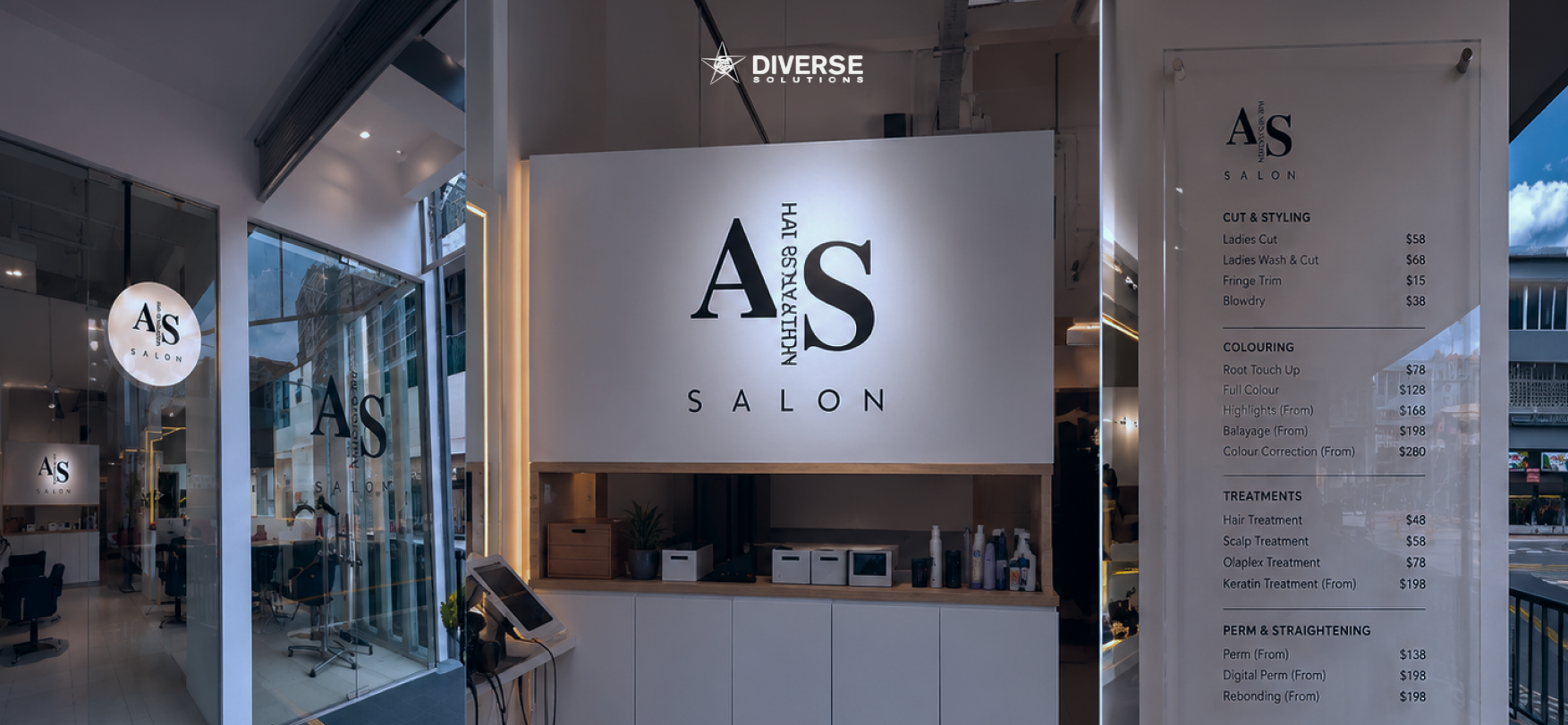
A blank office wall says more than most teams realize. It can make a reception area feel unfinished, a meeting room feel generic, or a workplace culture feel disconnected from the brand itself. That is why office wall graphics printing has become a practical branding tool for companies that want their spaces to work harder – not just look nicer.
For business owners, marketing teams, HR leaders, and procurement managers, wall graphics are not simply decorative output. They are part of the brand environment. They shape first impressions, reinforce company identity, support internal communication, and give physical space a clearer purpose. When done well, they help an office feel intentional.
Why office wall graphics printing matters in business spaces
Clients, employees, and visitors start forming opinions before a conversation even begins. The walls in your office contribute to that judgment. A well-designed branded wall in a lobby can communicate stability and professionalism. A culture wall in a staff area can make values feel real rather than performative. A privacy film graphic in a meeting room can add both function and polish.
This is where office wall graphics printing delivers real business value. It gives companies a way to translate branding from screens and brochures into a physical experience. Instead of relying only on signage or framed posters, businesses can use walls as high-visibility brand assets.
There is also a practical advantage. Compared with structural renovations, wall graphics are faster to produce, less disruptive to install, and easier to update when campaigns, messaging, or office layouts change. For growing companies and fast-moving organizations, that flexibility matters.
What office wall graphics can do beyond decoration
A common mistake is treating wall graphics as purely aesthetic. In reality, the strongest applications combine appearance with function.
In reception areas, wall graphics can establish credibility. A clean logo wall, mission statement, or branded visual immediately signals that the business is organized and serious about presentation. In client-facing industries, this can support trust before a sales pitch even starts.
In workspaces, graphics can improve wayfinding and organization. Departments, meeting rooms, collaboration zones, and training spaces become easier to identify. In larger offices, this reduces friction for staff and visitors.
In internal areas, graphics can support culture and communication. Brand values, timelines, achievements, product stories, safety reminders, and motivational messaging can all be displayed in ways that feel integrated instead of temporary. The key is to avoid turning every wall into noise. Good placement is selective.
For glass partitions and conference rooms, printed film graphics can increase privacy while still contributing to the overall visual system. This is often a smart solution when companies want function and branding in one application.
Choosing the right type of office wall graphics printing
Not every office wall calls for the same material, finish, or production method. The right choice depends on wall condition, usage, brand goals, and how permanent the graphic needs to be.
Vinyl wall decals are one of the most common options because they are versatile and cost-effective. They work well for logos, quote walls, directional graphics, and custom shapes. For many offices, this is the practical starting point.
Full wall murals create higher impact. These are ideal when a company wants to transform an entire area with photography, brand storytelling, skyline imagery, product visuals, or custom illustrations. Murals can make a space feel more premium, but they require stronger design discipline. If the image quality or layout is weak, the result can feel oversized rather than impressive.
Textured wall coverings are often chosen for more polished corporate interiors. They can add depth and a refined finish that suits boardrooms, executive areas, hospitality-inspired offices, or branded client spaces. They usually come at a higher cost, but the visual upgrade can justify the investment.
Window and glass graphics deserve consideration too, especially in modern offices with many transparent partitions. Frosted effects, branded patterns, and printed films can carry visual identity across the space while addressing privacy needs.
Design choices that separate polished graphics from forgettable ones
The biggest difference between effective and ineffective wall graphics is not the printer. It is the thinking behind the design.
A wall graphic has to suit viewing distance, lighting, room function, and surrounding finishes. A detail-heavy design that looks great on a laptop screen may fail completely when enlarged across a 20-foot wall. Small text becomes unreadable. Low-resolution images become obvious. Color can shift under office lighting.
Strong office graphics usually have clear hierarchy. The message should be understood quickly. Branding should feel present but not overwhelming. White space matters. Scale matters. Placement matters even more.
There is also the issue of longevity. Trend-based design can make a wall feel current for a short period, but outdated soon after. For spaces that need to last several years, timeless branded visuals are usually the safer commercial choice. For campaign zones or temporary activations, more seasonal or bold creative may make sense.
This is where working with a one-stop production partner becomes valuable. When design, print, material selection, and installation are coordinated together, fewer details get lost between vendors. Timelines are easier to manage, and the final output is more consistent with the original concept.
Common planning mistakes to avoid
Many office graphic projects run into trouble before printing even begins. The first issue is inaccurate site measurement. A few inches off can affect alignment, cut lines, or logo placement, especially around doors, power points, switches, and glass joints.
The second is ignoring wall surface condition. Fresh paint, rough textures, dampness, or uneven surfaces can all affect adhesion and finish quality. A good-looking print can still fail if the wall is not suitable.
Another common mistake is treating wall graphics as an isolated purchase. If the office also needs signage, event backdrops, acrylic pieces, window decals, printed collateral, or branded environmental elements, it is often more efficient to plan them together. This creates a more coherent visual identity and simplifies vendor management.
Budgeting also needs a realistic approach. The cheapest print is not always the most cost-effective option if installation quality is poor or the graphic needs early replacement. On the other hand, not every area requires premium materials. The right decision depends on traffic level, visibility, and lifespan.
What buyers should look for in a print partner
Office wall graphics printing is part creative project, part production job, and part installation exercise. That means buyers should evaluate more than pricing alone.
A dependable partner should be able to advise on artwork suitability, material options, print finish, lead time, and installation conditions. They should understand how graphics fit into a broader branding environment, not just how to output a file.
Responsiveness matters too. Corporate projects often involve approvals across marketing, admin, facilities, procurement, and management. Delays in communication can hold up the whole timeline. A vendor that can manage revisions, production scheduling, and on-site coordination efficiently brings real operational value.
Customization is another factor. Some clients need a single branded wall for a small office. Others need multi-site rollout across departments, schools, agencies, retail spaces, or campaign venues. The right supplier should be able to scale while keeping quality consistent.
For organizations that prefer convenience, a full-service provider offers a clear advantage. If the same team can support concept development, artwork adaptation, print production, signage coordination, and related branded materials, the process becomes easier to control. That is especially useful for companies managing office upgrades, launches, rebrands, or event-linked interior branding. Providers such as Diverse Solutions Singapore are built around this kind of end-to-end execution, which is often what busy teams actually need.
Making the investment count
Office wall graphics are most effective when they are tied to a business objective. That could be improving client impressions, strengthening workplace culture, supporting recruitment, reinforcing a rebrand, or upgrading a dated office without major renovation costs. Once that objective is clear, decisions around design, scale, and materials become easier.
It also helps to think in zones rather than in single walls. The reception area may need authority and polish. Collaboration spaces may benefit from energy and creativity. Training rooms may need clarity and structure. When each zone has a purpose, the overall environment feels more deliberate.
A well-executed wall graphic does not need to shout. It needs to fit the brand, serve the space, and hold up over time. When those elements come together, the office stops feeling like rented square footage and starts functioning like a branded business environment.
If your walls are still blank, generic, or working against the image you want to project, that is usually not a design issue alone. It is a missed branding opportunity waiting for better execution.
