

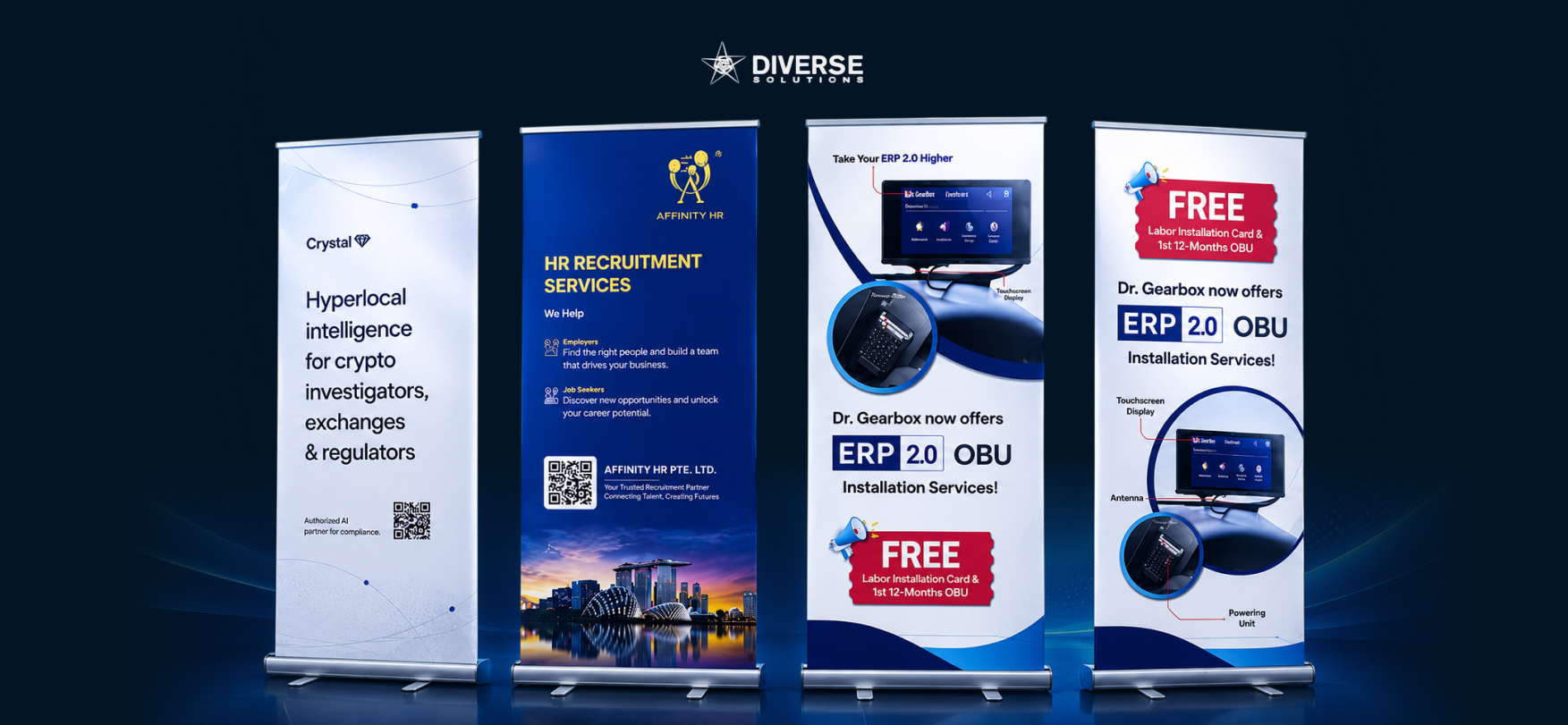
The difference between a polished conference and a chaotic one often shows up before the first speaker takes the stage. Attendees are scanning entrances, checking registration lines, looking for session rooms, and deciding within seconds whether the event feels organized. That is where conference signage printing solutions earn their value – not as decoration, but as working brand assets that guide movement, reduce confusion, and strengthen the overall event experience.
For event organizers, marketing teams, and procurement stakeholders, signage is rarely a single-item order. It is a coordinated print system with deadlines, venue rules, sponsor requirements, and multiple touchpoints to manage at once. When the signage plan is built properly, the event feels more professional, the brand presence is stronger, and on-site execution becomes easier for everyone involved.
Why conference signage printing solutions matter
Conference signage does three jobs at the same time. First, it directs people efficiently. Second, it reinforces branding across the venue. Third, it creates visibility for sponsors, partners, and key messages. If any one of those functions is weak, attendees notice it immediately.
Wayfinding signs are often underestimated until a crowd forms outside the wrong ballroom. Registration signs, directional boards, agenda displays, and breakout room identifiers are not minor details. They reduce staff interruptions, keep sessions on schedule, and help venues run more smoothly. For larger conferences, even small improvements in signage clarity can save time across hundreds or thousands of attendee interactions.
Brand consistency also matters more than many teams expect. A conference may include digital screens, printed backdrops, booth graphics, banners, table cards, and wall visuals. If those materials look disconnected, the event feels fragmented. If they are aligned in design, format, and print quality, the brand reads as established and credible.
Choosing the right conference signage printing solutions
Not every sign needs the same material, finish, or production method. Practical decision-making matters here. A registration welcome board has a different job from a stage backdrop, and a sponsor panel has different visibility needs than a tabletop sign.
The first factor is placement. Indoor conference environments usually favor foam board, poster prints, standees, mounted panels, stickers, and fabric-based displays, depending on size and duration. Outdoor areas require more durable materials that can handle weather, movement, and installation challenges. A design that looks good on screen may not hold up when enlarged for a high-traffic entrance display.
The second factor is viewing distance. Small format signs work for close-range information like agendas, QR instructions, or table identifiers. Large-format prints are for impact and visibility from across a hall. Choosing the wrong scale creates a familiar event problem: beautiful artwork that no one can actually read.
The third factor is lifespan. Some conferences need one-day event signage with cost efficiency as the priority. Others need reusable assets for roadshows, annual summits, or recurring exhibitions. In those cases, portability, durability, and storage become part of the buying decision. It may make more sense to invest in modular signage systems that can be updated rather than reprinted from scratch each time.
What a complete signage set usually includes
Most conferences benefit from thinking in systems instead of individual print items. The event experience starts before attendees enter the main hall and continues through registration, networking, session transitions, and photo moments.
A standard signage package often includes entrance branding, registration counters, directional signs, stage backdrops, sponsor acknowledgment boards, panel discussion signage, room labels, agenda boards, media walls, and tabletop displays. Some events also need lift lobby signs, window graphics, floor stickers, parking guidance, and branded wallpapers for temporary venue transformation.
What matters is not adding more pieces for the sake of visibility. It is making sure every sign has a purpose. Over-signage can clutter a venue and compete with key messages. Under-signage creates confusion and increases the burden on staff. The right balance depends on event size, venue layout, and audience flow.
Design quality affects on-site performance
Print execution starts with design decisions. A common mistake is treating conference signage as an extension of brochure design. Signage works under different conditions – people are walking, lighting varies, viewing angles change, and attention is limited.
Clear hierarchy is essential. Event name, room name, direction, timing, and sponsor branding should be prioritized in the order attendees actually need them. Fonts need to be legible at distance, colors need enough contrast, and layouts need space to breathe. A sign packed with too much information may satisfy internal stakeholders during approval, but it fails in a real venue.
This is also where production guidance matters. Certain colors reproduce differently across materials. Images that look sharp on a laptop may appear soft at large scale if file resolution is insufficient. Mounting methods, bleed setup, finishing, and installation requirements should be accounted for early, not after artwork has already been approved.
Why one-stop execution reduces risk
Conference production rarely happens in isolation. The signage is usually connected to event branding, printed collateral, staff badges, sponsor materials, booth displays, gifts, photography backdrops, and last-minute content updates. Working with separate vendors for every element can create avoidable delays and inconsistencies.
A one-stop partner is valuable because signage decisions often affect other event deliverables. The same visual system used on directional boards may need to carry through to brochures, lanyards, stage graphics, digital slides, and sponsor displays. Centralized coordination helps maintain consistency and cuts down on rework.
This matters even more when timelines tighten. Event teams often face final speaker changes, sponsor swaps, room revisions, and quantity adjustments close to show date. In those moments, responsiveness matters as much as print quality. Diverse Solutions Singapore supports clients across branding, print, creative production, and event needs, which makes it easier to manage connected deliverables under one roof instead of chasing updates across multiple suppliers.
Common trade-offs event teams should expect
There is no single best signage approach for every conference. Budget, speed, reusability, and visual ambition all pull in different directions.
If speed is the top priority, some format and finishing choices may need to be simplified. If premium visual impact is the goal, lead times and production costs may increase. Then if signage must be reused across multiple events, the design may need a more flexible structure with removable dates or interchangeable sponsor panels.
Venue rules also shape the final solution. Some locations restrict hanging points, wall application methods, or installation timing. Others require freestanding structures, low-residue adhesives, or specific fire-rated materials. The strongest conference signage printing solutions are not just attractive – they are realistic for the venue, the timeline, and the operational plan.
How to plan signage without last-minute problems
The best time to think about signage is earlier than most teams expect. Once the venue floor plan is confirmed, signage mapping should begin alongside event branding, not after it. That allows enough time to identify all touchpoints, assign messaging priorities, and prepare print-ready artwork properly.
It also helps to appoint one internal decision-maker for approvals. Signage projects often slow down because too many departments comment at once – marketing wants stronger branding, operations wants more directional information, sponsors want larger logos, and management wants changes late in the process. A clear approval chain keeps production moving.
Proofing is another step worth taking seriously. Sizes, spelling, room names, sponsor titles, and dates should all be checked against the latest event documents. A small typo on a digital graphic is inconvenient. The same typo on a stage backdrop seen by every attendee is expensive and public.
Finally, plan for extras. Reprints, backup signs, and a few flexible generic displays can save the day when schedules change on-site. Conferences are live environments. A practical signage strategy leaves room for adjustment.
The business case behind better conference signage printing solutions
Good signage helps people move, but its commercial value goes further. It influences how attendees perceive the event brand, how sponsors evaluate their visibility, and how smoothly the organizing team can operate under pressure.
For businesses, institutions, and agencies running conferences, that matters. Professional signage supports credibility. It gives sponsors cleaner exposure. Moreover, it reduces friction at registration and room transitions. It also creates more polished photo opportunities, which extends the value of the event into post-event marketing and reporting.
That is why signage should be treated as part of the event infrastructure, not a final decorative add-on. When the print strategy, design system, and production workflow are aligned, the result is not just a better-looking conference. It is a better-run one.
The smartest conference signage choices are usually the ones that make the event feel effortless to everyone else.
