

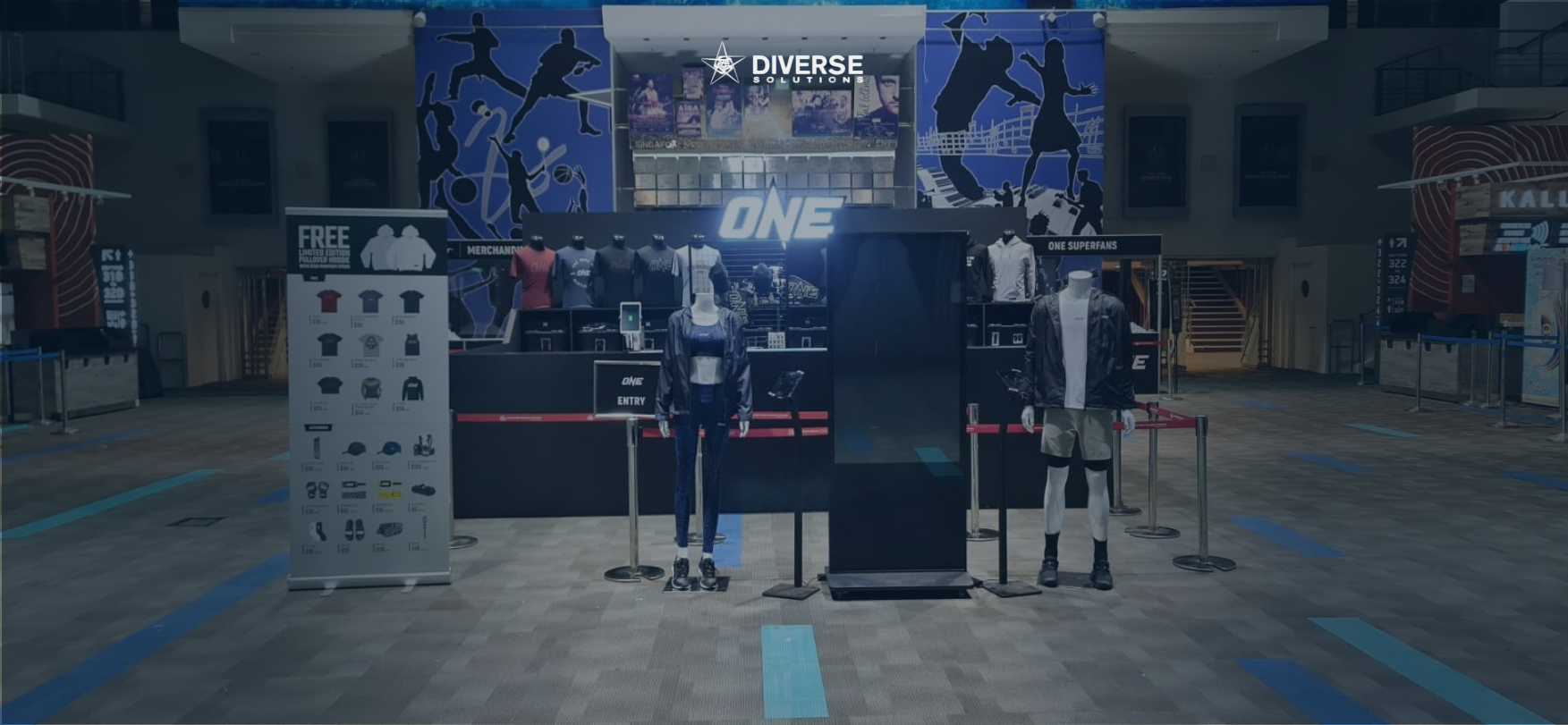
Trade shows, exhibitions, and brand activations are no longer just about displaying products. Modern audiences expect interaction, immersion, and memorable experiences. This shift has transformed exhibition spaces from static displays into strategic environments designed to influence visitor behaviour.
Experiential booth design plays a major role in how people move, engage, remember, and respond to a brand during an event. From layout and lighting to sensory interaction and technology integration, every design choice can shape visitor perception and decision-making.
What Is Experiential Booth Design?
Experiential booth design refers to creating exhibition spaces that encourage active participation rather than passive observation. Instead of simply presenting information, experiential booths invite visitors to interact with the brand through activities, storytelling, technology, or immersive environments.
This approach combines branding, psychology, spatial design, and customer engagement strategies to create stronger emotional connections.
Examples include:
- Interactive touchscreens
- Product demonstrations
- Sensory installations
- Gamified experiences
- AR or VR integration
- Social media photo zones
- Live workshops or presentations
The goal is to create a memorable experience that encourages visitors to spend more time at the booth and develop a stronger connection with the brand.
First Impressions Shape Visitor Decisions
Visitors often decide within seconds whether a booth is worth exploring. Booth appearance, atmosphere, and visual hierarchy immediately influence curiosity and trust.
An experiential booth design captures attention through:
- Strategic lighting
- Clear focal points
- Open and welcoming layouts
- Motion graphics and dynamic displays
- Cohesive brand storytelling
A visually engaging booth increases the likelihood that attendees will stop, explore, and interact with the brand rather than simply walking past.
Interactive Experiences Increase Engagement
People naturally remember experiences more than static information. Interactive elements encourage participation, which increases emotional involvement and brand recall.
When visitors actively engage with a booth, they are more likely to:
- Stay longer at the booth
- Ask questions
- Share the experience online
- Remember the brand after the event
- Develop positive brand perception
Hands-on experiences also create opportunities for meaningful conversations between staff and attendees, improving lead generation quality.
Booth Layout Influences Movement and Behaviour
The physical layout of a booth affects how visitors navigate the space and interact with different areas.
Open layouts generally encourage exploration because they reduce psychological barriers. Clear pathways help visitors move naturally through product displays, demo stations, or meeting areas without confusion.
Effective experiential booth layouts often include:
Entry Zones
Designed to attract attention and encourage visitors to enter comfortably.
Engagement Areas
Interactive sections where visitors can participate in demonstrations, games, or digital experiences.
Conversation Spaces
Comfortable meeting areas that support deeper discussions and relationship building.
Social Sharing Spots
Visually appealing spaces designed for photos and user-generated content.
A well-planned layout guides visitor behaviour intentionally while maintaining a seamless experience.
Sensory Design Creates Stronger Emotional Connections
Experiential booths often use sensory elements to influence mood and memory. Human behaviour is strongly connected to sensory experiences, making this an important aspect of exhibition design.
Key sensory components include:
- Lighting that creates atmosphere
- Sound design or ambient music
- Texture and material selection
- Scent marketing
- Interactive visual effects
When multiple senses are engaged, visitors tend to form stronger emotional associations with the brand.
Technology Enhances Visitor Interaction
Technology has become an essential part of experiential exhibition design. Digital experiences not only attract attention but also create personalized interactions that increase engagement.
Popular technologies include:
- Touchscreen product catalogs
- Virtual reality experiences
- Augmented reality demonstrations
- Interactive LED walls
- Motion-triggered displays
- AI-powered engagement tools
These features make booths feel modern, innovative, and memorable while helping visitors understand products or services more effectively.
Emotional Engagement Improves Brand Recall
Emotions strongly influence memory and purchasing decisions. Experiential booths are designed to create emotional responses such as excitement, curiosity, inspiration, or comfort.
Visitors are more likely to remember brands that made them feel something meaningful during an event experience.
Storytelling elements, immersive visuals, and interactive activities all contribute to emotional engagement. This emotional connection can continue influencing purchasing behaviour long after the event ends.
Social Media Behaviour Is Influenced by Booth Design
Modern exhibition visitors frequently share experiences online. A visually unique or interactive booth encourages attendees to create content for social media platforms.
Photo-worthy booth features can significantly increase brand visibility beyond the event itself.
Common social-sharing strategies include:
- Branded photo installations
- Interactive digital displays
- Immersive themed environments
- Live experiences
- Creative lighting concepts
When visitors share booth experiences online, brands gain additional exposure and organic audience reach.
Experiential Booths Support Better Lead Generation
Visitor behaviour directly impacts lead quality. Booths that encourage interaction often create more meaningful conversations compared to traditional static setups.
Experiential environments help staff engage visitors naturally rather than relying on aggressive sales approaches.
This leads to:
- Higher visitor retention
- Better engagement quality
- Increased trust
- More qualified leads
- Stronger post-event recall
The longer visitors remain engaged, the more opportunities brands have to communicate value effectively.
Why Experiential Booth Design Matters Today
Trade show environments are increasingly competitive. Visitors are exposed to countless brands and displays during a single event, making attention harder to capture.
Experiential booth design helps brands stand out by creating memorable interactions instead of simply displaying products.
Businesses investing in immersive exhibition experiences often benefit from:
- Higher visitor engagement
- Improved brand awareness
- Increased social visibility
- Better lead conversion opportunities
- Stronger customer relationships
As audience expectations continue evolving, experiential design is becoming an essential strategy rather than an optional enhancement.
Conclusion
Experiential booth design influences visitor behaviour by shaping how people feel, interact, and remember a brand during an event. Through strategic layouts, immersive experiences, sensory engagement, and interactive technology, brands can create stronger emotional connections and encourage deeper visitor participation.
In today’s competitive exhibition landscape, creating memorable experiences is one of the most effective ways to increase engagement, improve brand recall, and maximize event impact.
For more information and to explore our offerings, visit Diverse Solutions Singapore.
