

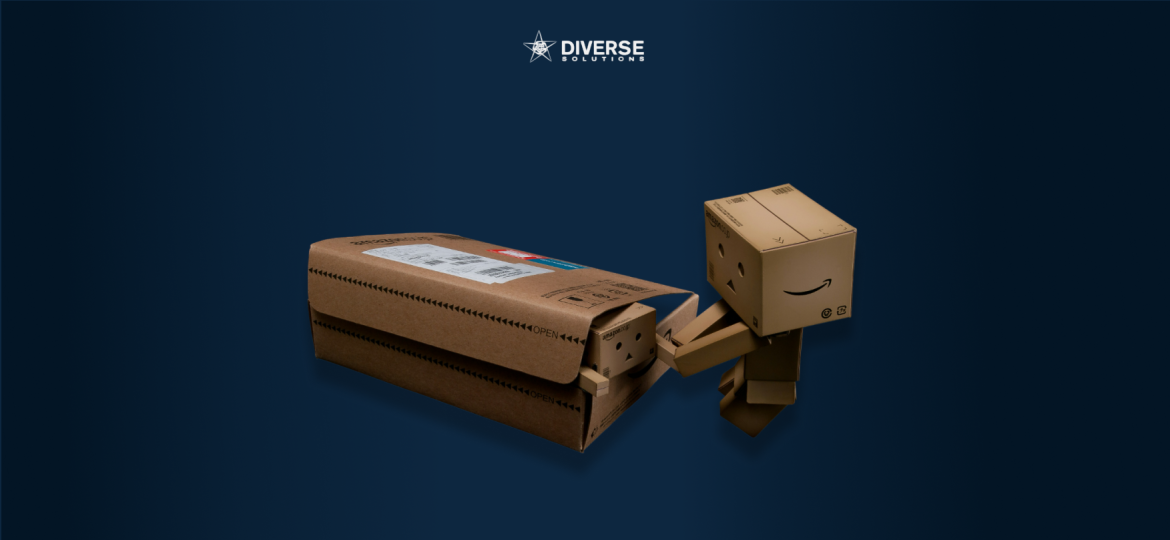
In the age of TikTok and YouTube, few marketing moments are as powerful—or as shareable—as the unboxing experience. What was once a personal ritual of opening a package has evolved into a global marketing phenomenon. For brands, understanding Unboxing as a Brand Strategy means unlocking the emotional, psychological, and viral potential hidden inside every box.
The Rise of the Unboxing Phenomenon
The first “unboxing” videos appeared on YouTube in 2006, but the trend exploded in the 2010s as smartphones and social media made content creation accessible to everyone.
According to Google Trends, searches for “unboxing” grew by over 800% between 2010 and 2020. Meanwhile, a Think with Google (2021) report found that 62% of consumers watch unboxing videos when researching a product.
What makes unboxing so effective is its simplicity — it’s authentic, emotional, and human-centered. It turns product delivery into an experience worth sharing.
The Psychology Behind Unboxing
Unboxing taps into key psychological triggers that make it such a potent branding tool:
Anticipation and Reward
According to Harvard Business School professor Gerald Zaltman, 95% of purchasing decisions are subconscious and driven by emotion. The unboxing process builds anticipation, which activates the brain’s dopamine reward system — similar to opening gifts or playing games.
Tangibility in a Digital World
In an increasingly digital landscape, physical interaction with a product satisfies the human need for tactile connection. A Temple University and U.S. Postal Service study found that physical experiences trigger stronger emotional responses and memory retention than digital-only experiences.
Trust Through Authenticity
Unboxing content created by real customers or influencers acts as social proof. A Nielsen Global Trust in Advertising (2022) report revealed that 88% of consumers trust recommendations from people over brand ads.
Unboxing as a Brand Strategy
When done intentionally, unboxing becomes more than a packaging moment — it’s a brand storytelling platform.
Packaging as an Extension of Brand Identity
The design, material, and texture of packaging communicate brand values. For instance:
- Apple uses minimalist packaging to reflect precision and luxury.
- Glossier employs pink bubble pouches that double as reusable accessories, enhancing brand recall.
As the Design Management Institute reported, design-led companies outperform the S&P 500 by up to 219%, proving that design-driven touchpoints like packaging directly influence perception.
Shareability by Design
Smart brands engineer packaging to be camera-ready. This includes layered reveals, thoughtful typography, and eco-friendly materials that look good on video. Every unboxing moment becomes a piece of user-generated content (UGC), amplifying organic reach.
Emotional Branding
Unboxing evokes emotions — excitement, curiosity, satisfaction — that align with brand narratives. As Forbes (2023) noted, “Emotions drive loyalty far more effectively than incentives.”
The Power of Influencer and User-Generated Unboxing
The rise of influencer marketing transformed unboxing from a personal act into a public performance. Platforms like TikTok, Instagram Reels, and YouTube Shorts have amplified this format:
- The hashtag #unboxing has over 60 billion views on TikTok (2024).
- A HubSpot survey (2023) found that 54% of consumers purchased a product after seeing it unboxed by someone they trust.
By collaborating with influencers or encouraging authentic customer participation, brands turn every delivery into a shareable, viral touchpoint.
Sustainability in the Unboxing Era
Today’s consumers value eco-conscious packaging as much as aesthetics. According to McKinsey & Company (2023), 67% of Gen Z consumers consider sustainability a deciding factor in purchasing.
Brands like Patagonia and Apple lead by example — using recyclable materials, minimal plastic, and biodegradable inserts — showing that responsible design can still deliver emotional impact.
Turning Every BoxIntoa Story
To leverage Unboxing as a Brand Strategy, brands should focus on:
- Consistency: Align packaging with brand voice and visuals.
- Sensory design: Use textures, colors, and typography to evoke emotion.
- Personalization: Add thank-you cards or QR codes linking to exclusive content.
- Encouragement: Include social media hashtags or calls-to-share.
- Sustainability: Balance experience with environmental responsibility.
Conclusion
Unboxing as a Brand Strategy is more than a marketing gimmick — it’s storytelling in motion. Each reveal builds emotional connection, strengthens brand loyalty, and turns customers into advocates. In a crowded digital marketplace, brands that design for anticipation and delight don’t just sell products — they create memorable moments worth sharing.
For more information and to explore our offerings, visit Diverse Solutions Singapore.
